Fujifilm X-Half Review (2025): Little Camera, Big Limitations, Big Charm
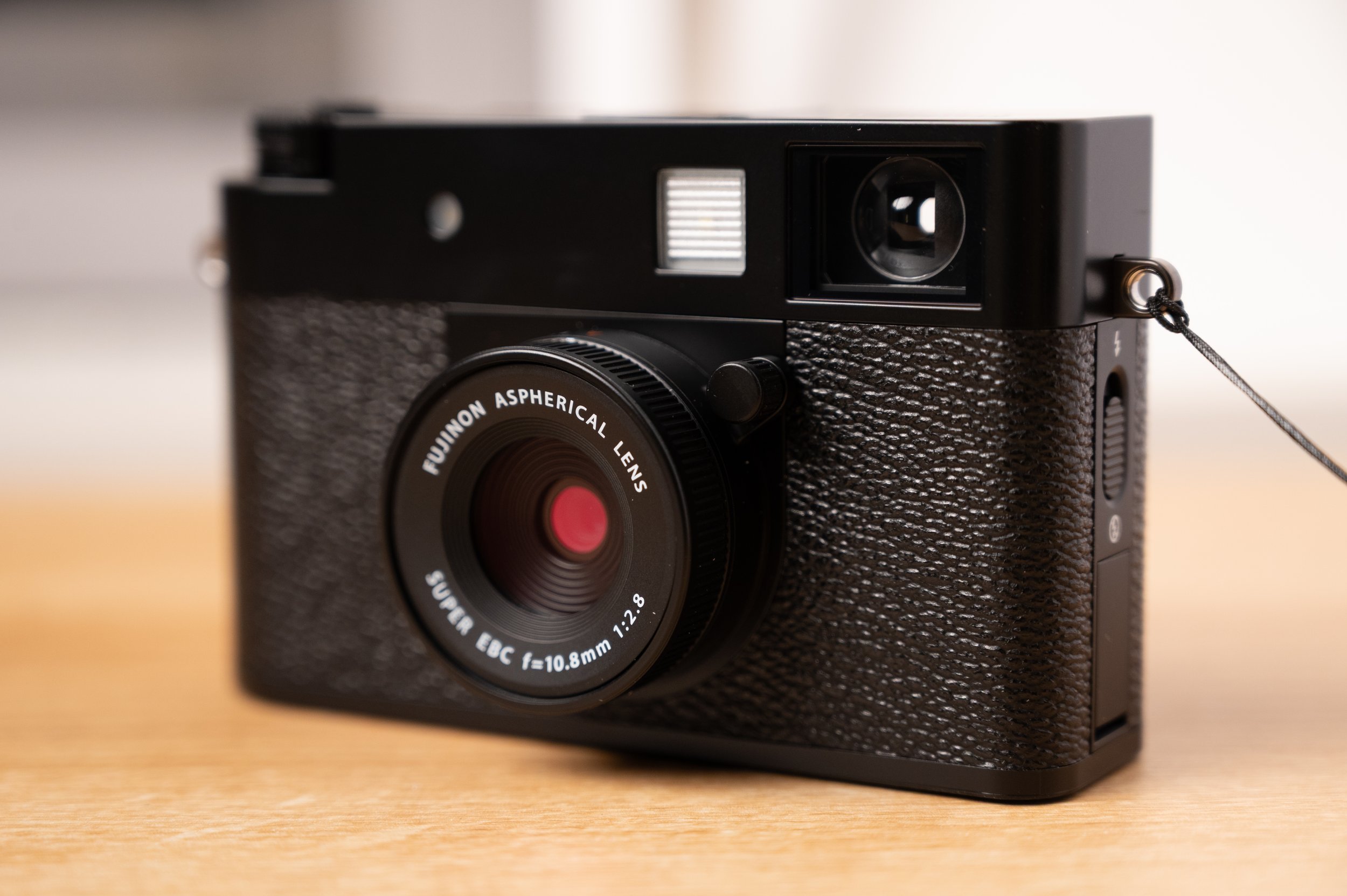
A camera for Photographers with deep pockets tired of pixel paralysis
Rating: ★★★★☆ (4/5 Stars)
When Fujifilm announced the X-Half, I completely missed it. Six months later, I had the same reaction many photographers probably did at launch: Half-frame in 2025; Tell me more! Wait, it’s how much?
Fujifilm created a new category with its tiny digital half-frame camera, boasting a 1-inch sensor, JPEG-only output, modest autofocus, and a nostalgic design that seems aimed more at vibe-seekers than spec-chasers.
After two weeks of shooting with it around New York, it kinda clicked. We can debate what the X-Half isn’t all day long, though it’s clearly not trying to win a spec competition. Instead, this unique digital half-frame “recipe camera” is here to slow you down, get you shooting with intention, and lean hard into Fuji’s color science.
It’s not for everyone, but there nothing else on the digital market that works quite like it. And whether that novelty is enough to justify the price is… complicated.
Let’s dive in.
Shooting the Fujifilm X-Half (and What Half-Frame Cameras Are All About)
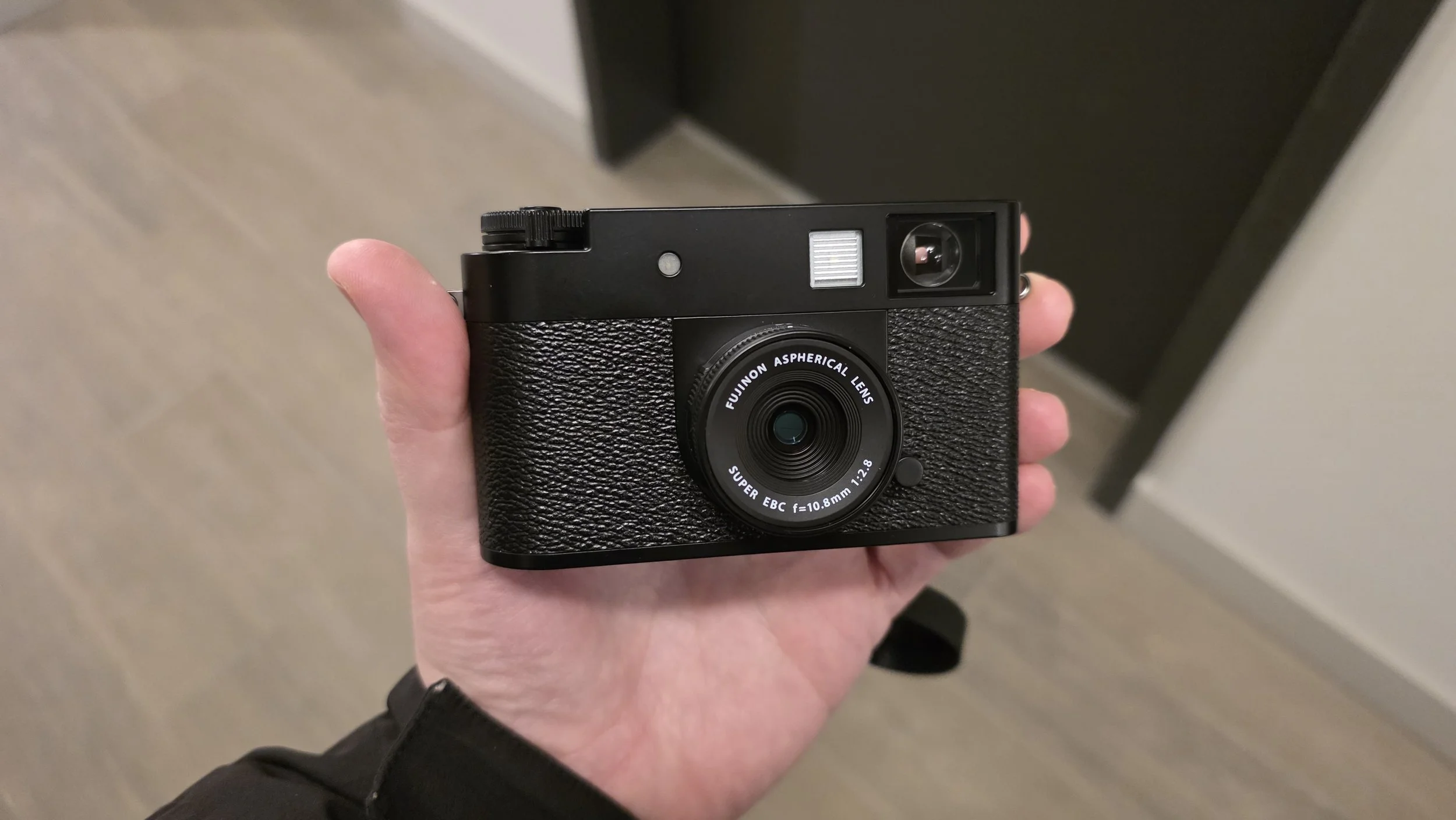
The Fujifilm X-Half is small and light with limited controls. There is an aperture ring, a wheel with exposure compensation (+/- 3) and some basic settings on the tiny LCD screen where you can choose your shooting mode (M, AE, Aperture Priority, the new Film Mode, etc.). It’s easily pocketable.

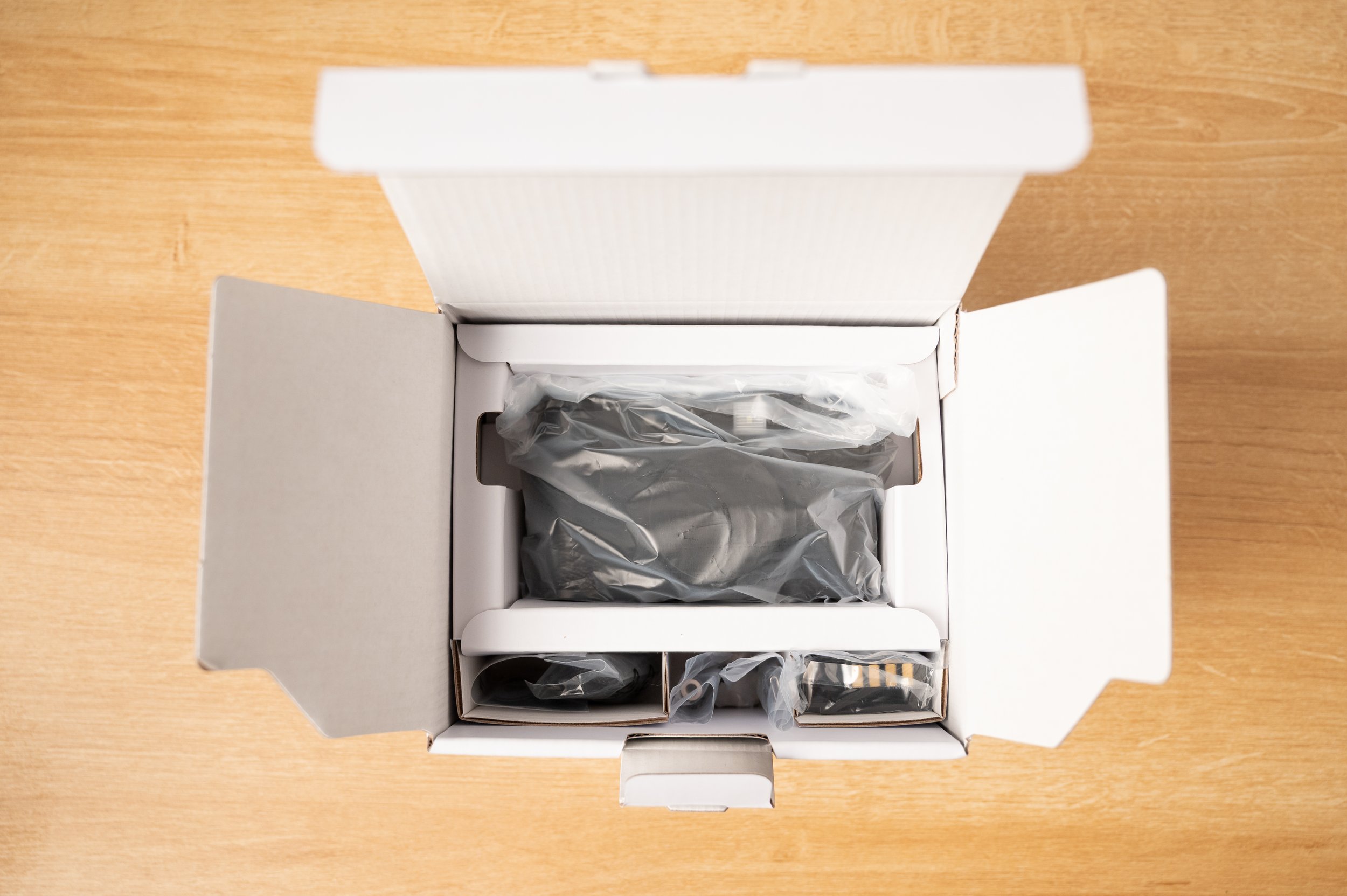
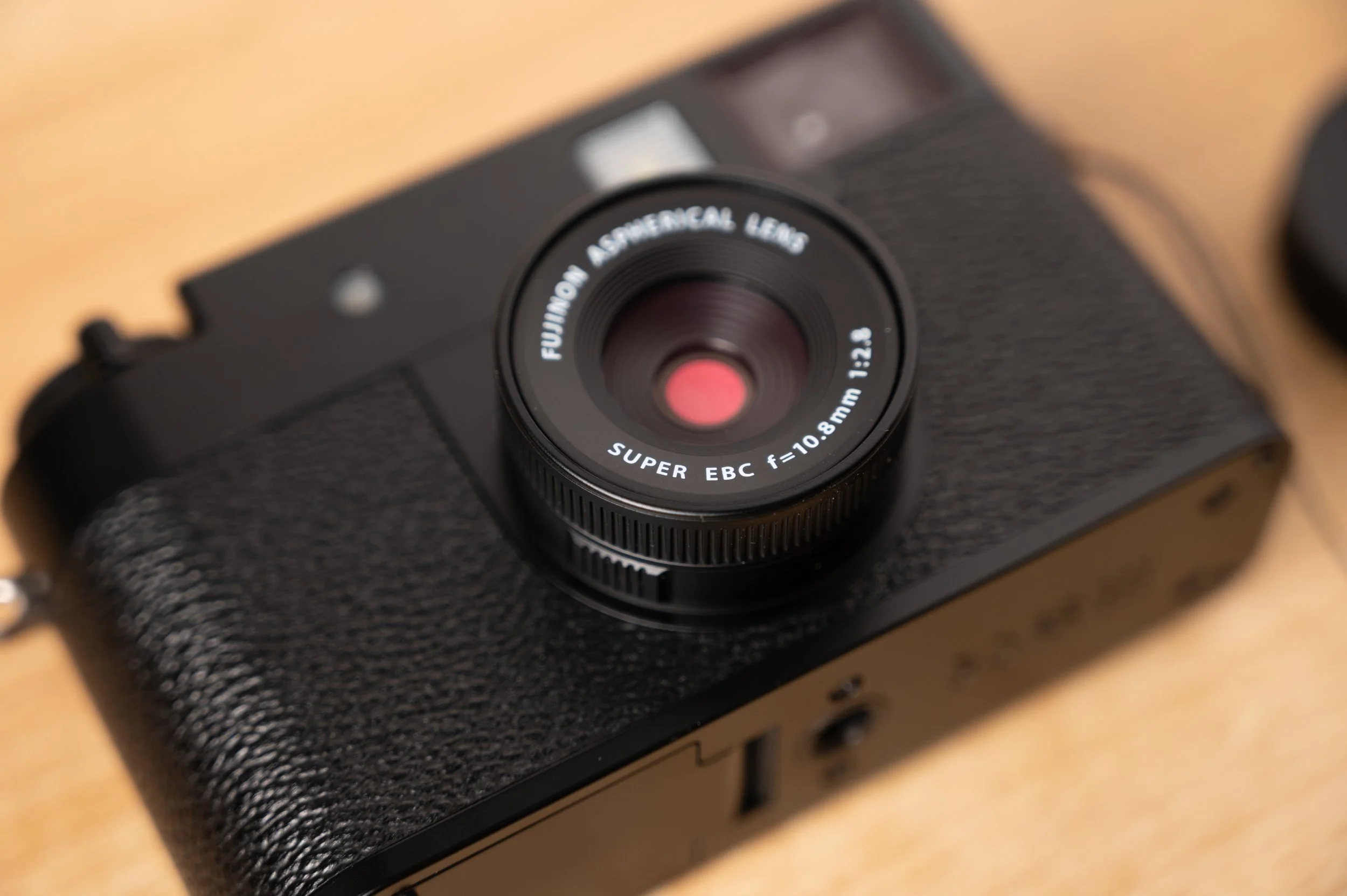
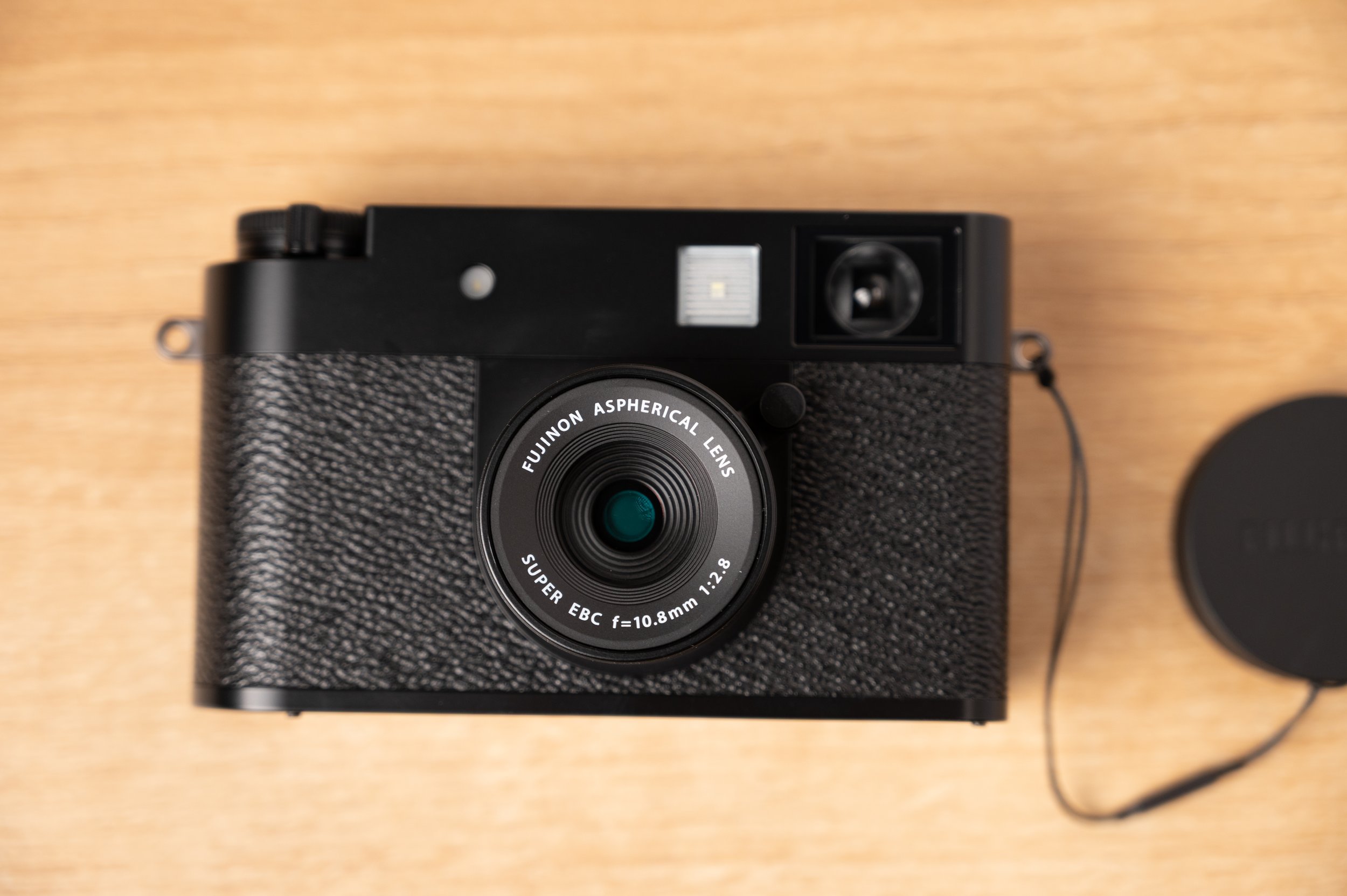
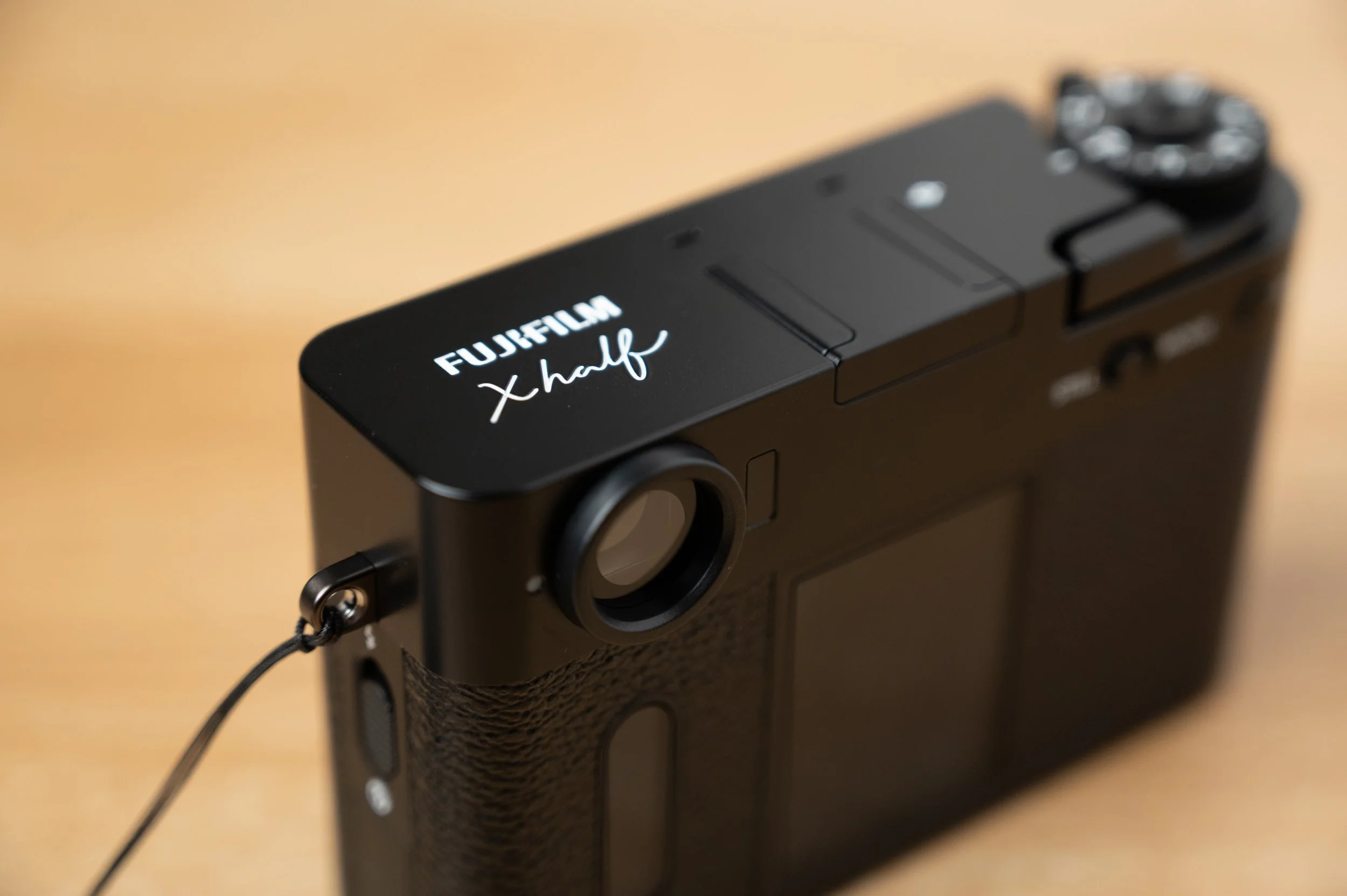
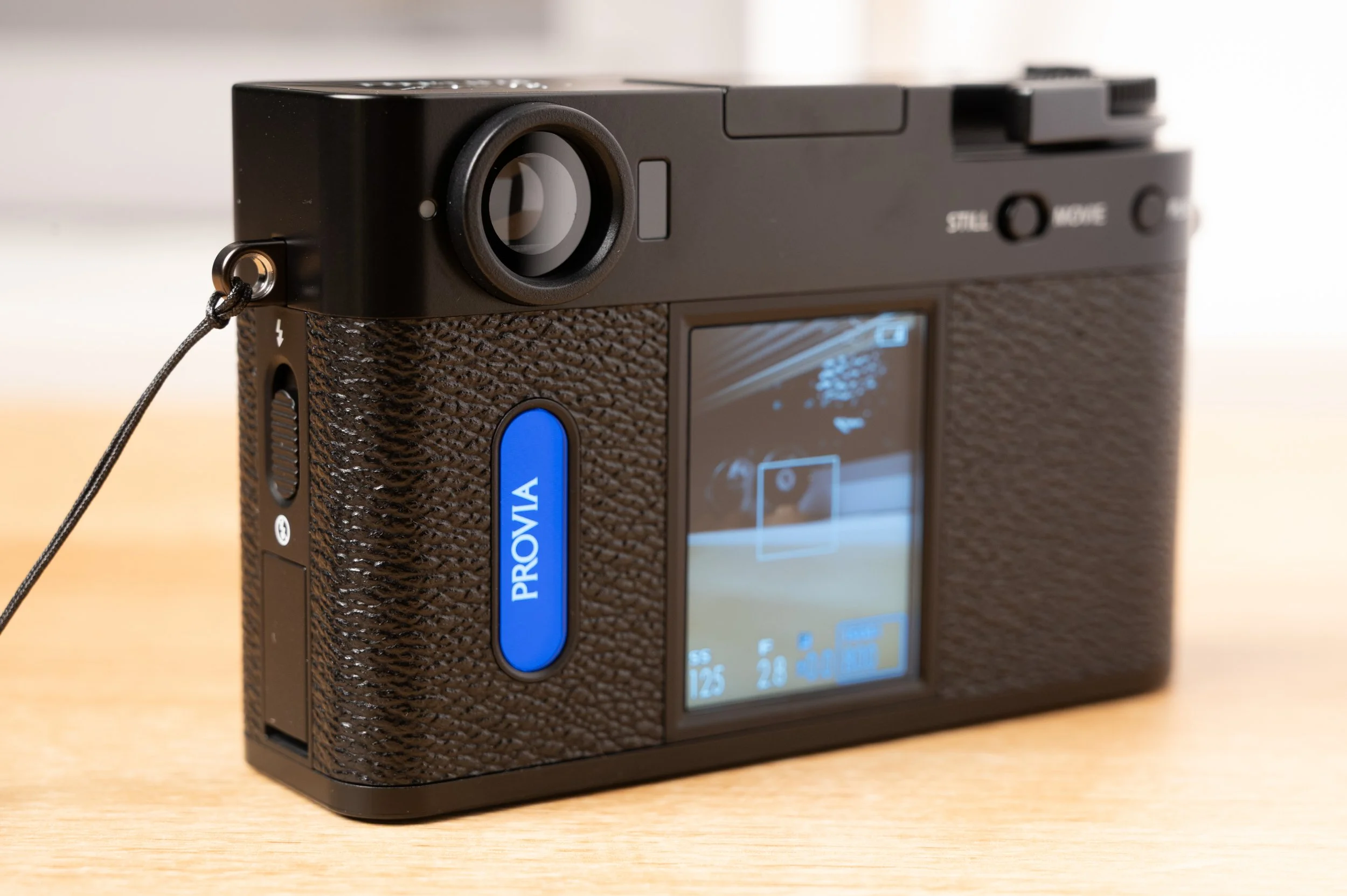

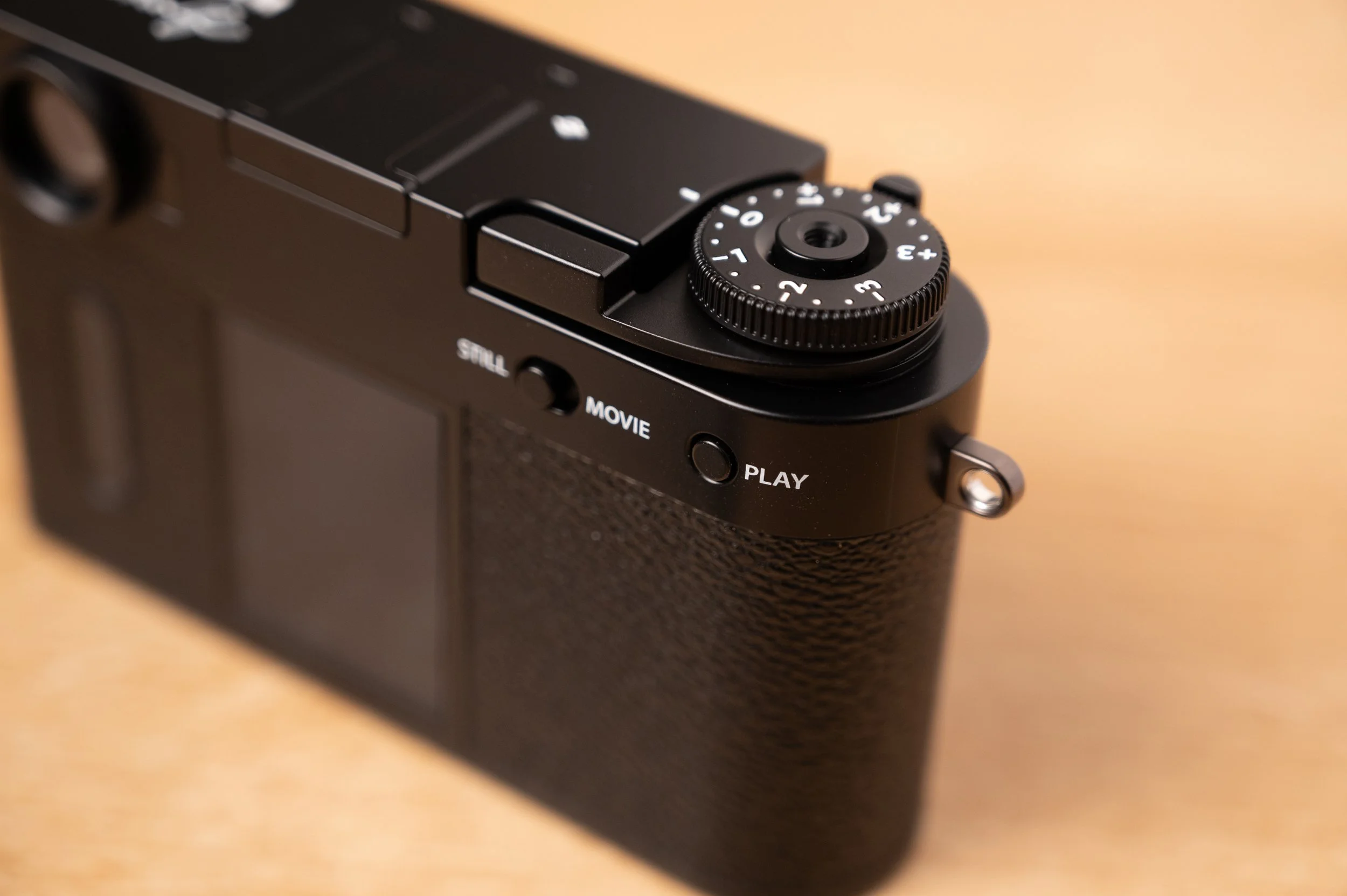
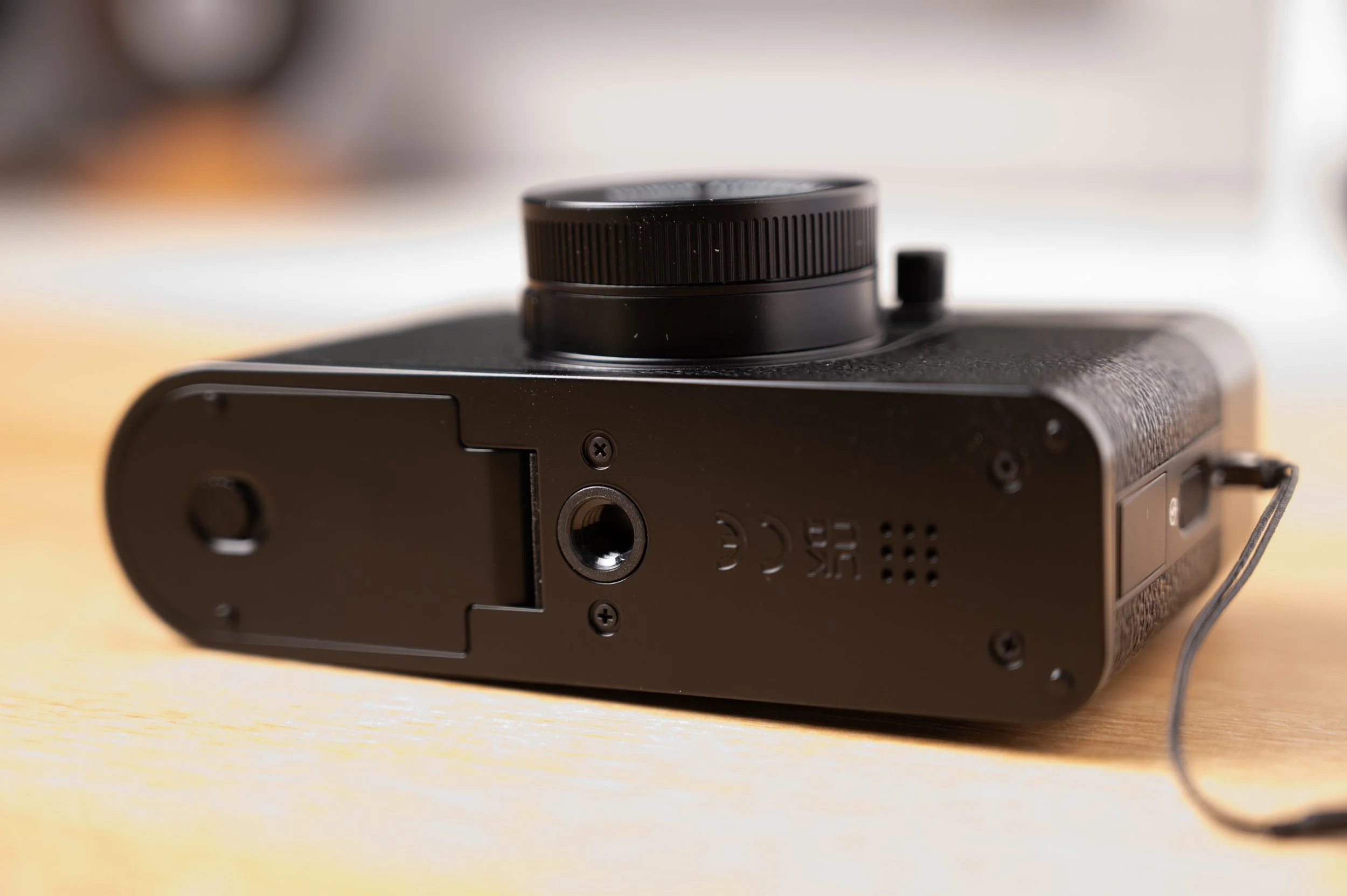

Shooting the X-Half is unlike shooting any modern digital camera and that’s exactly how Fujifilm wants it. You get an 18MP 1-inch vertically oriented sensor, a fixed 32mm-equivalent lens, and strictly JPEG-only output. No RAW. No tweaking highlights or shadows afterward. No safety net.
A quick explainer on the concept: back in olden times (ehem), cameras used 35mm film rolls which limited your shots per roll to 24 or 36 exposures. Enter half-frame cameras. These cameras doubled the number of exposures you could get from a single roll of film (my math says 48 or 72, what about yours?) by limiting the size of the exposure to half of the regular frame and advancing the roll halfway. With digital, you can shoot to your heart’s content and the only limitation is the size of your memory card. Whereas half-frame film cameras solved an economical problem, a digital half-frame camera presents one: why spend more money when size doesn’t matter (ehem again)? More on that later.
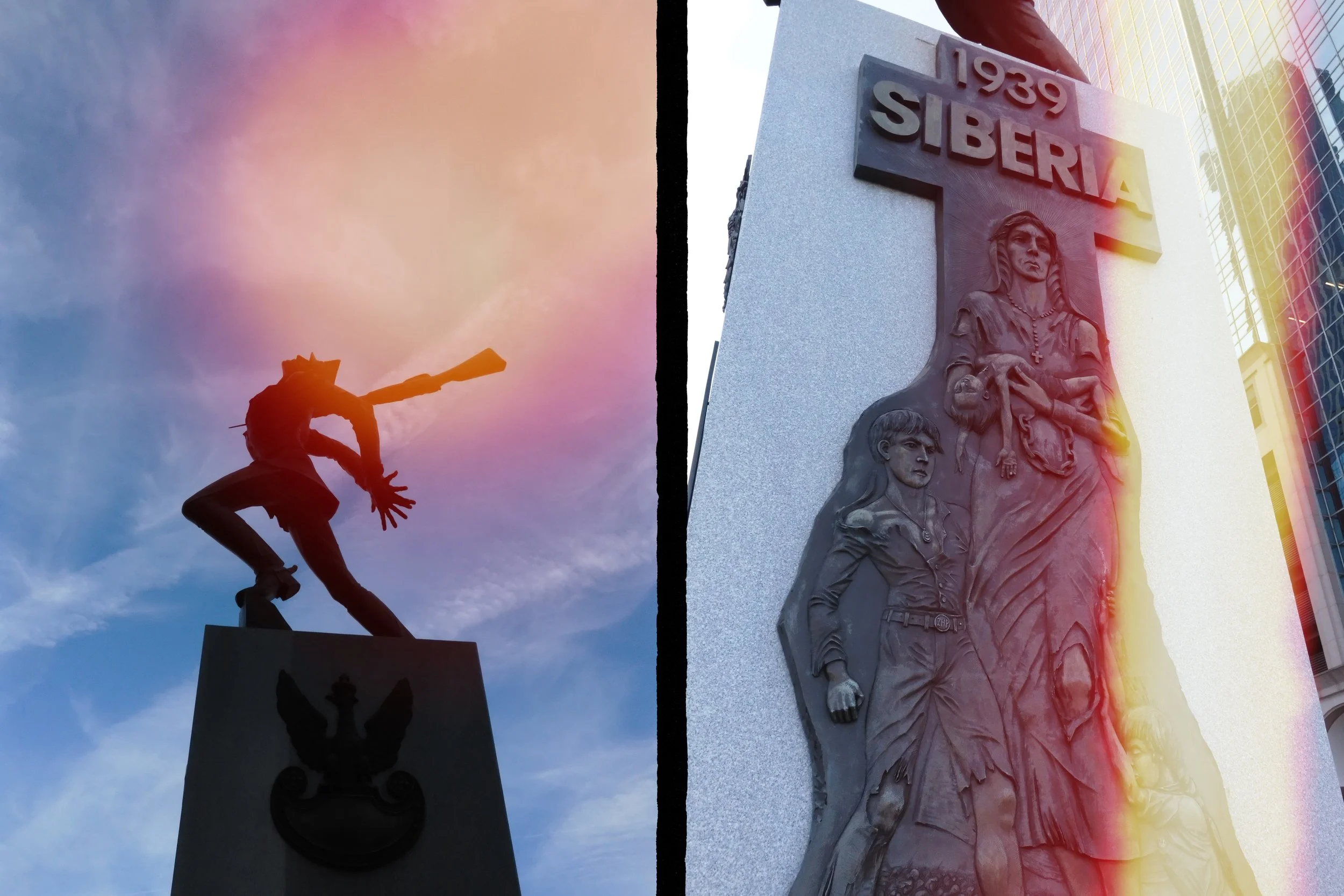
When I said “vertically oriented sensor,” I meant it operates the same way a film half-frame camera would. If your usual orientation is a horizontal or landscape frame, then half of that frame would be… vertical.
With the X-Half, you pick one of Fujifilm’s recipes, which are simulations of film rolls past, commit to it, and go shoot.
In theory, and in my case, in practice, that constraint changes how you approach photography. I wasn’t obsessing over settings or sharpness. I wasn’t checking every frame. I was paying attention to light, timing, and mood. I was thinking in twos to put together a perfect diptych. Shooting with the X-Half felt closer to walking around with a thrifted point-and-shoot from the 80s or 90s. It’s light, quiet, simple, imperfect, but creatively freeing.
Fuji also pushes the film mindset further with Film Roll mode, where playback is disabled until you finish a 36-, 54-, or 72-frame “roll.” You only see your images after “developing” them. Waiting for the results felt a little goofy, but I suspended disbelief (or whatever the expression is), and committed to the bit.
Is this shooting experience for everyone? No. But for those who want photography to feel intentional, there’s something refreshing here. There’s another use case that detractors online might be forgetting: casual, diary-style photos without the pressure of looking great compared to editorial shots on Instagram.
Fuji X-Half Ergonomics
As I mentioned, ergonomically, the X-Half is very straightforward: small, lightweight, and plastic. Yet, somehow, the weight of it feels substantial for its size, if that makes sense. It’s not a tank like Fuji’s X-Pro bodies, and it’s not pretending to be. One bit I didn’t mention is the film-advance lever, which is likely the most unusual part of the camera. It would be understandable if it was decorative, but it’s not.
The lever serves several functions including: advancing the frame in Film Roll mode (like a real film camera), triggers diptychs which combine two consecutive shots into one (and preserves both as stand-alone photos), and allows you to review the shot you just took when you push it in rather than advancing it forward.
Yes, the lever is part nostalgia and gimmick. But it’s also part of the user experience. It changes your pace and reinforces the half-frame concept physically, not just digitally. It’s a shame that it doesn’t have a hefty “crank” feel to it. Definitely not haptic.
The X-Half also has an optical viewfinder. No EVF, no exposure preview. You’re composing through a tunnel. If that sounds limiting, it is. And I guess that’s the point. You’re pushed towards documenting your environment instinctively, not clinically.
In the hand, the X-Half feels like a small retro point-and-shoot. It’s not premium, but it is charming.
Specifications
Sensor: 18MP 1-inch type BSI CMOS sensor (11.7 × 8.8 mm), uniquely mounted vertically (3:4 aspect ratio).
Lens: Fixed 10.8 mm f/2.8 lens (≈32 mm full-frame equivalent). Aperture f/2.8 to f/11, with manual aperture ring.
Image Format: JPEG only (no RAW); images at 3648 × 4864 resolution and 7296 x 4864 resolution for 2-in-1 shots. Supports in-camera Film Simulations (Provia, Velvia, Astia, Classic Chrome, etc.) and 26 creative filters (grain, toy camera, light leak, etc.).
Viewfinder: Off-center optical tunnel viewfinder with frame lines (no through-the-lens live view). Small fixed 2.4” rear LCD for menus and playback (0.92M dot resolution, not used for composition).
Focus & Shooting: Contrast-detect autofocus with 9 points (Multi-area or center AF, face detection available). Manual focus not supported (focus is largely automatic). Shooting rate is single-shot; film advance lever must be cocked between shots in certain modes.
Shutter & Flash: In-lens leaf shutter, speeds from 15 min (S/M Mode) to 1/2000 sec. Syncs with built-in flash (tiny LED flash unit) but note the LED flash has limited power and won’t freeze fast motion.
Video: 1440 × 1080 (vertical 4:3) Full HD video at 24 fps (8-bit H.264). No 4K or wide-aspect video modes. This camera is not aimed at videography, so act accordingly.
Connectivity: Wi-Fi for wireless image transfer via Fujifilm X-Half app (Android/iOS). USB-C port for direct transfer to computer or phone. No HDMI output.
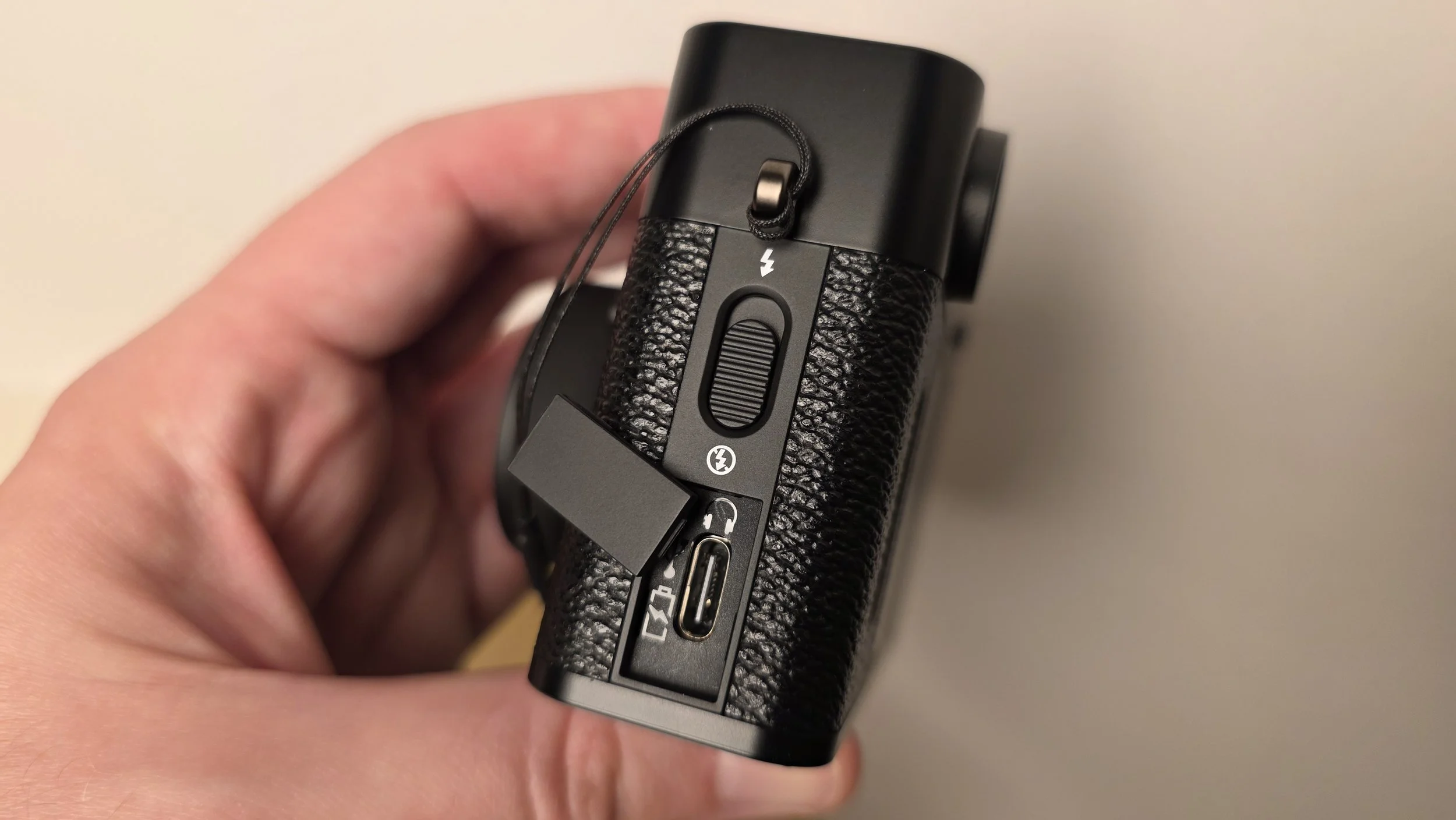
Storage & Power: SD card slot (supports SDHC/SDXC, UHS-I speeds). Uses Fujifilm NP-W126S battery (common in Fuji X-series); CIPA rated ~880 shots per charge when using the optical VF. Charging via USB-C is supported.
Body & Dimensions: Retro-styled compact body, mostly plastic construction (not weather-sealed). Available in Silver/Black, Charcoal/Black, and All-Black finishes. Size 105.8 × 64.3 × 45.8 mm; weight ~240 g with battery and card – truly lightweight. Classic film advance lever on top and faux “film window” on back for aesthetic and user experience purposes.
Price: $849 USD. Has been sold as low as $649 on sale around the holidays. A niche, premium price for a niche camera.
These specs won’t impress anyone comparing cameras on paper and they aren’t meant to.
Does the Fujifilm X-Half Take Good Photos?
“Good” is subjective here.
If your definition of “good” is technical perfection, dynamic range, or low-light performance, then no, the X-Half won’t match even mid-range phones, let alone other cameras in its price bracket.
But if “good” means images with aesthetic intention, Fuji color science, baked-in film simulations, subtle grain, color shifts, halation effects, and the general “vibe” of analog photography, then yes. It absolutely takes good photos.
The X-Half isn’t meant for news, wildlife, sports, or National Geographic. It’s meant for: visual journaling, street photography, travel, personal documentation, and creative play. The JPEG output is consistent, pretty, and vibey. It’s as close as Fuji has ever gotten to a true “digital film camera.” Watch them invent film cameras next. We’d all love to see that, I’m sure.
Because the camera relies entirely on Fuji’s pre-baked film simulations and filters, the results vary dramatically depending on which recipe you choose. Some simulations, like Classic Neg, have a soft, nostalgic feel that works beautifully for street photography. Others, like Velvia, punch up saturation and contrast to the point where the 1-inch sensor’s limitations show more quickly. In lower light, the images hold up reasonably well if you lean into the “film-like” imperfections. No, sorry, not quite. Sometimes, they feel a bit more like 2010 with a filter on them, but this needs repeating, this is not a camera built for high-ISO technical performance.
Fujifilm X-Half Photo Samples and Gallery
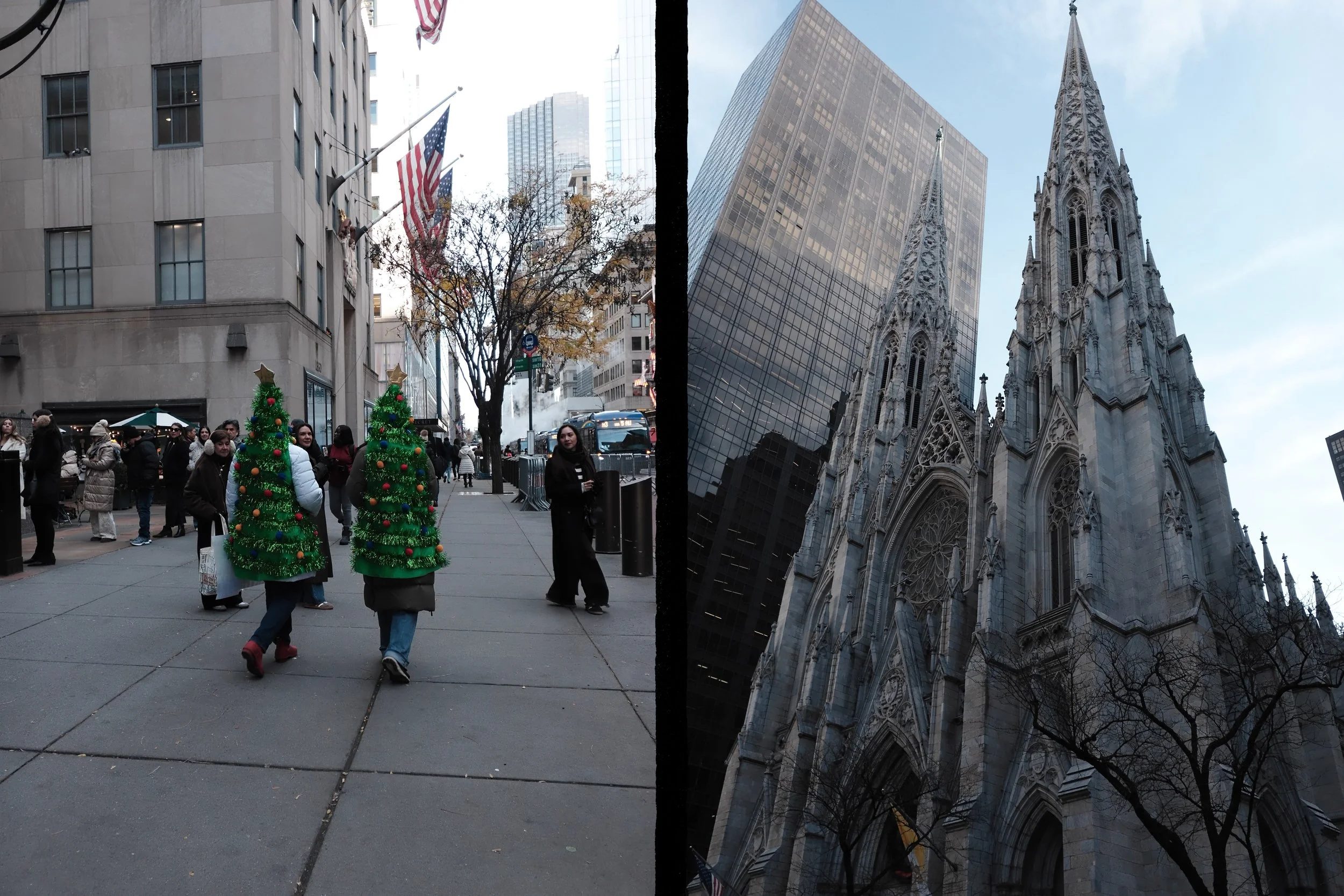
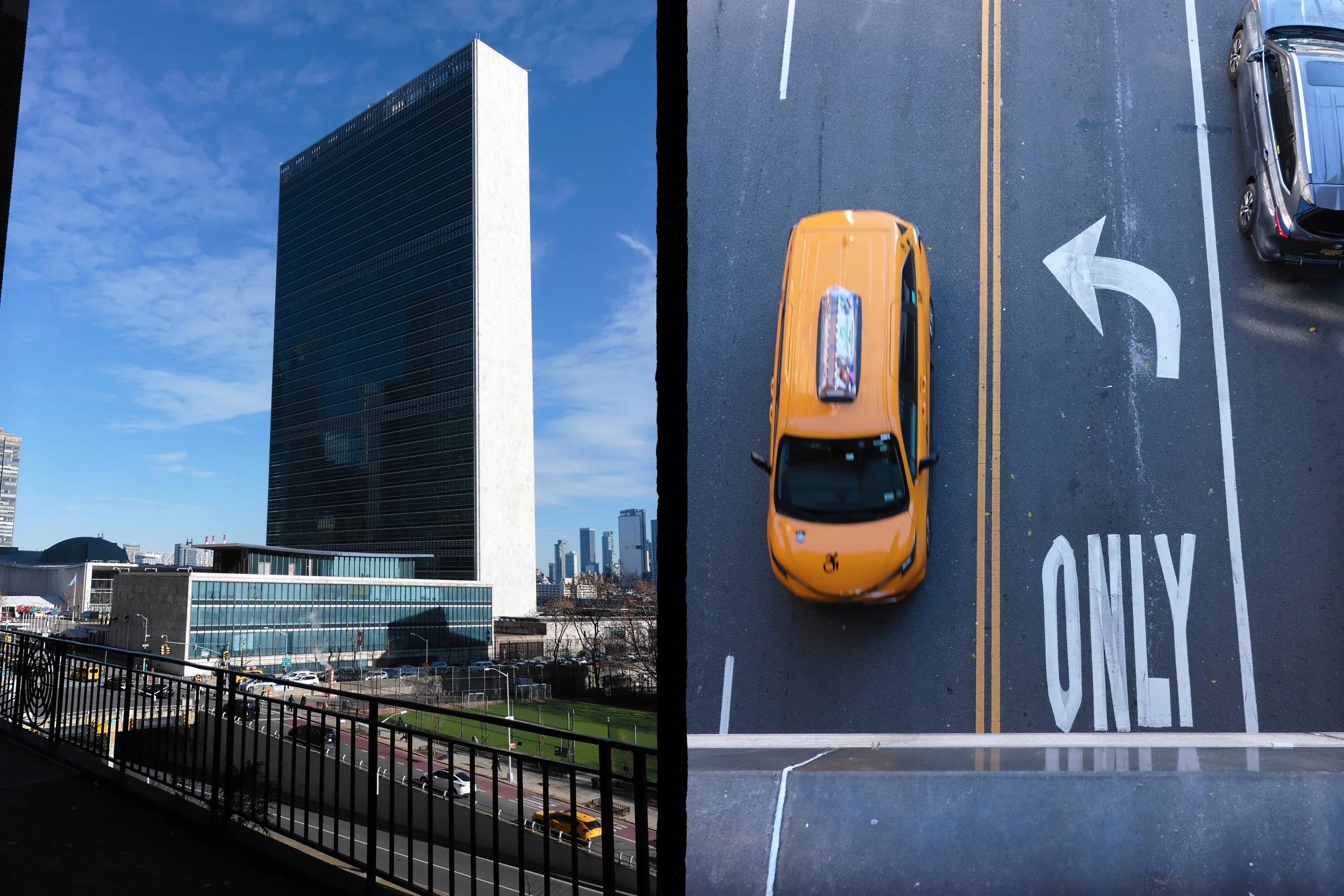
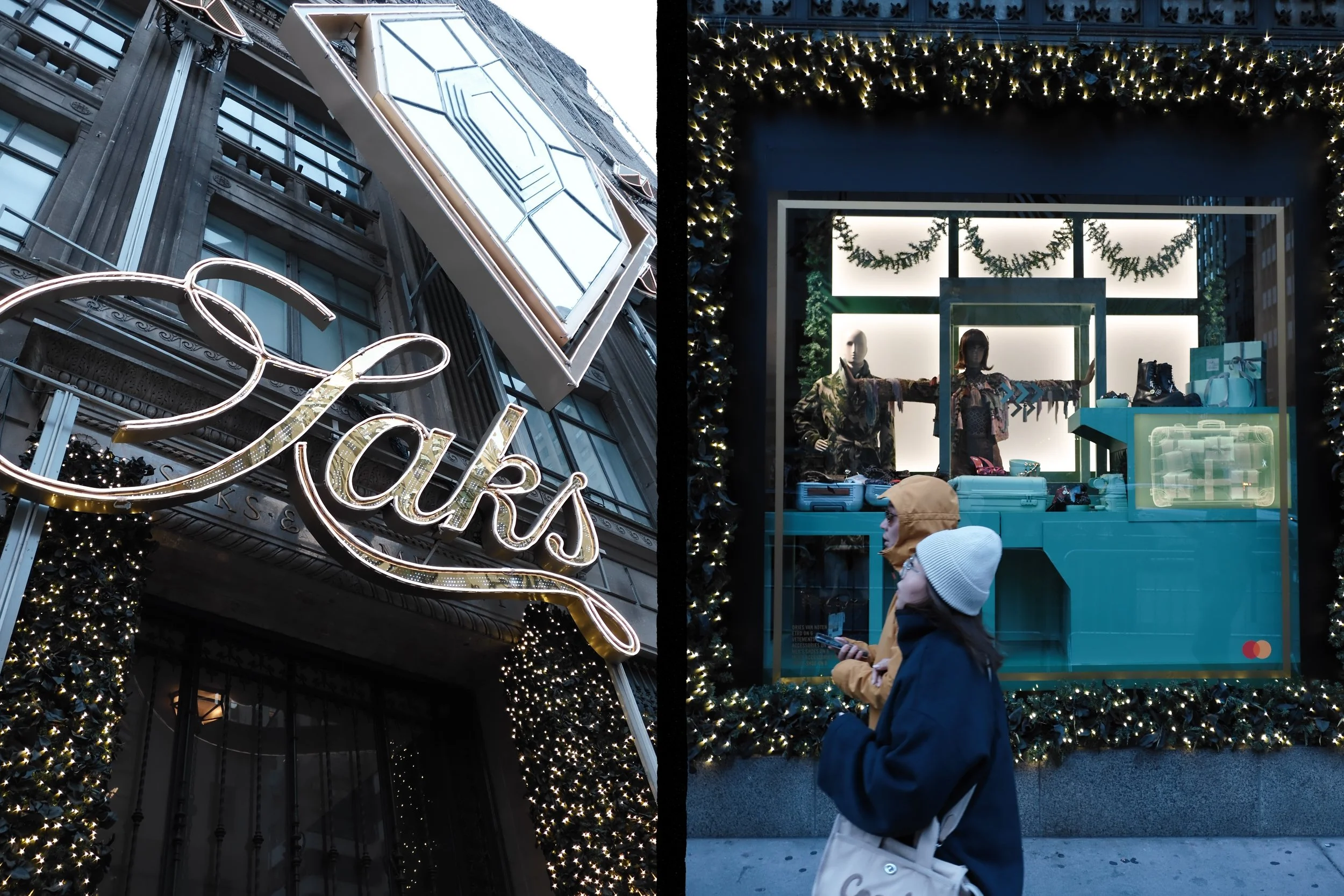
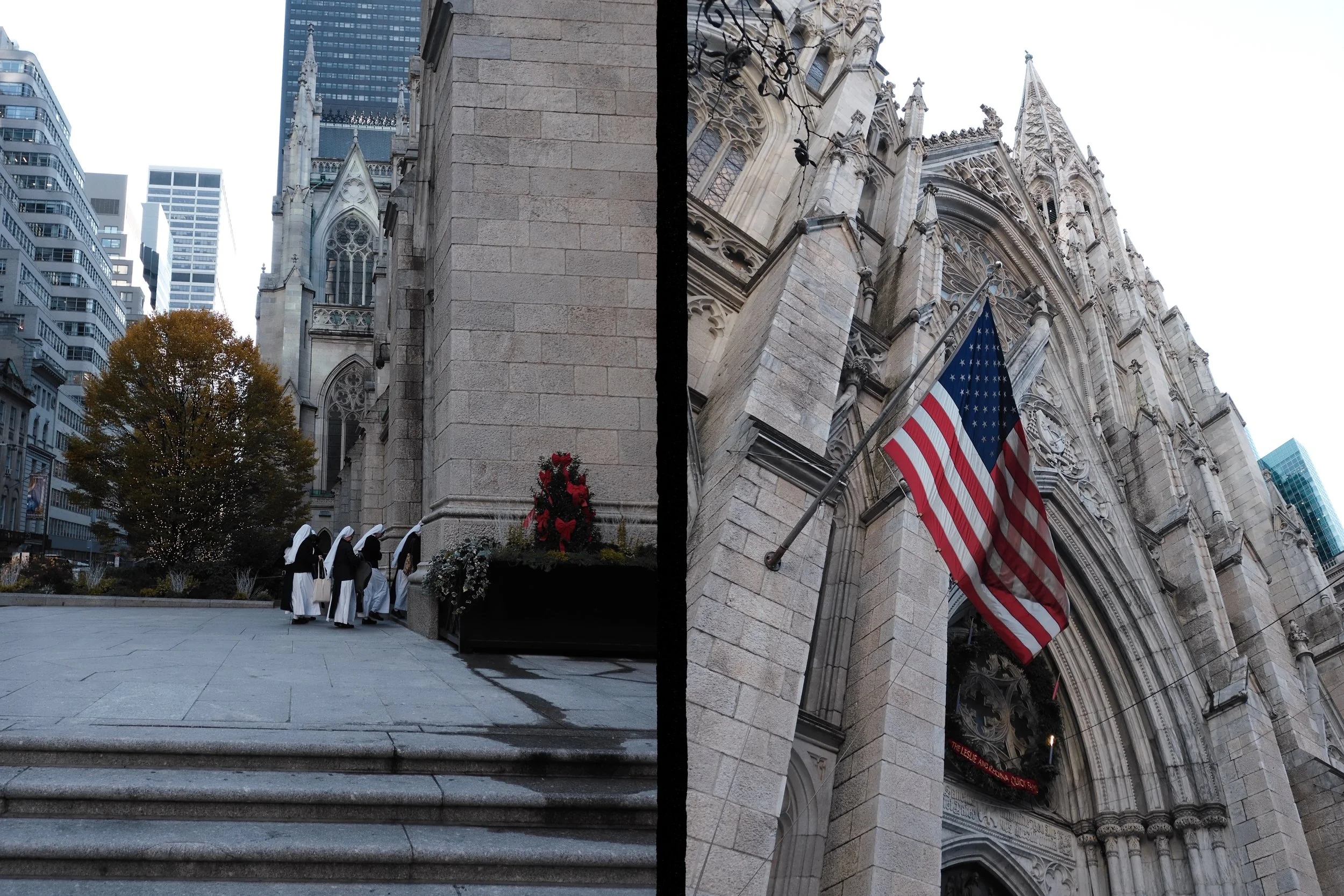
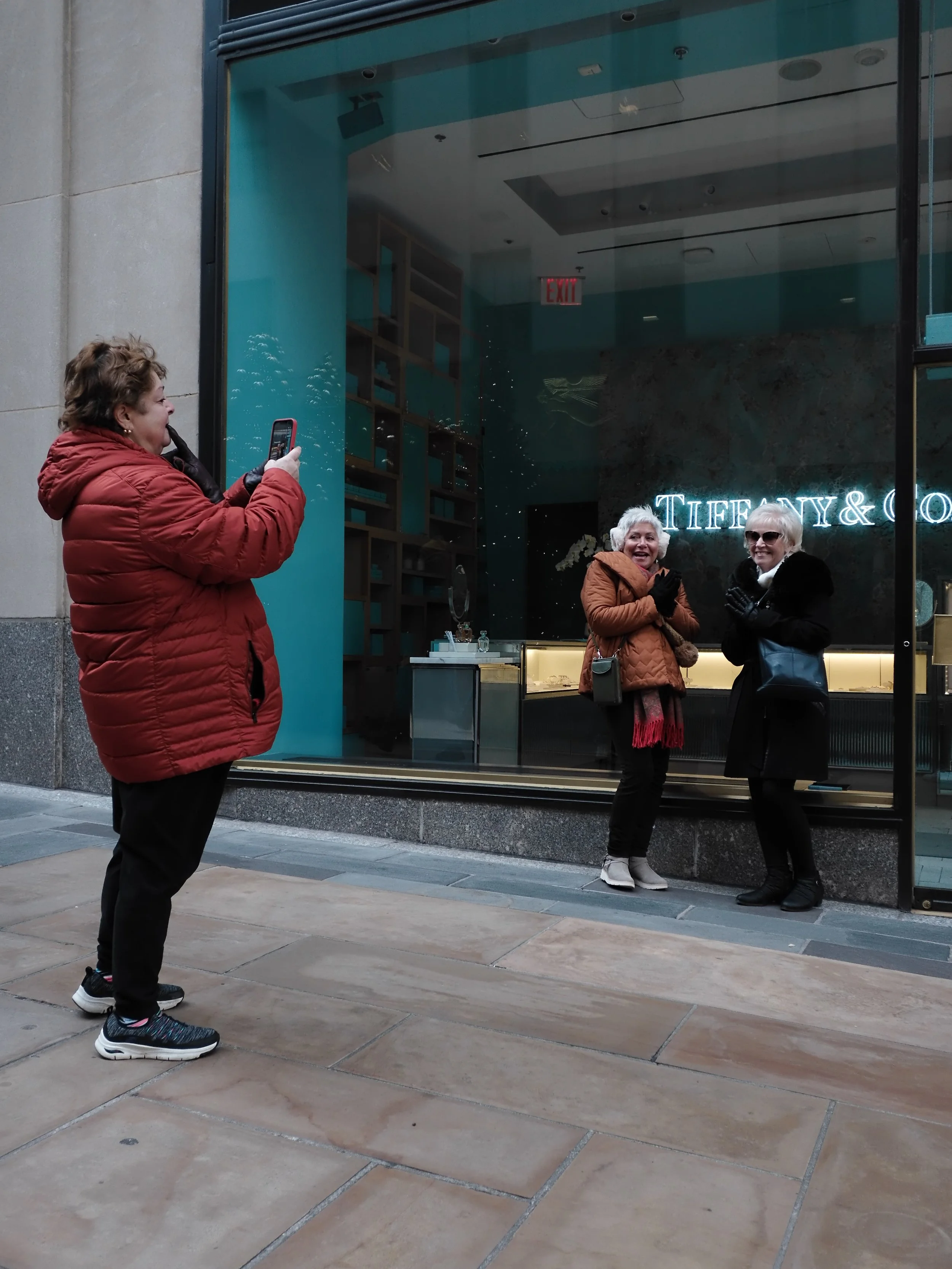
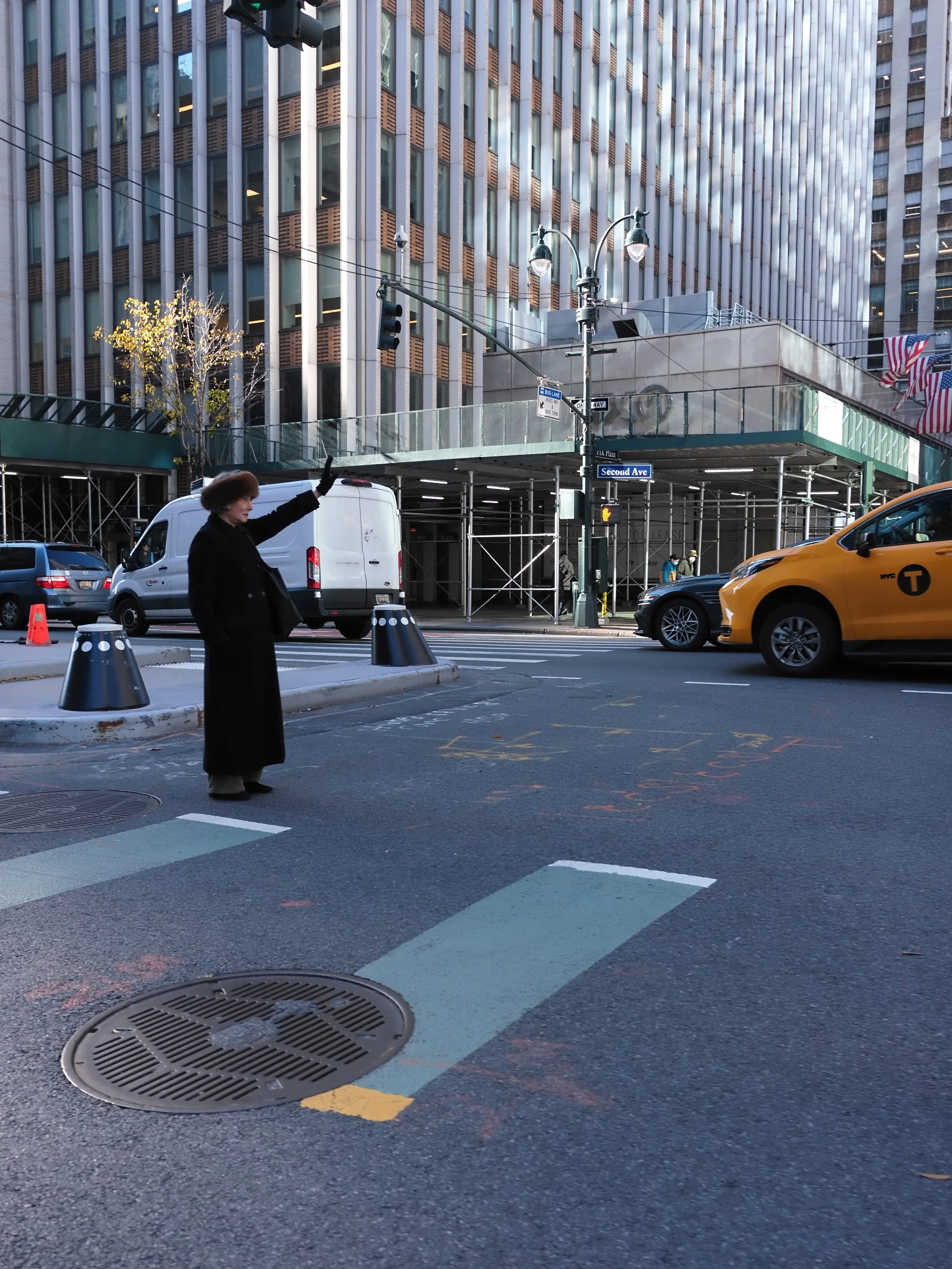
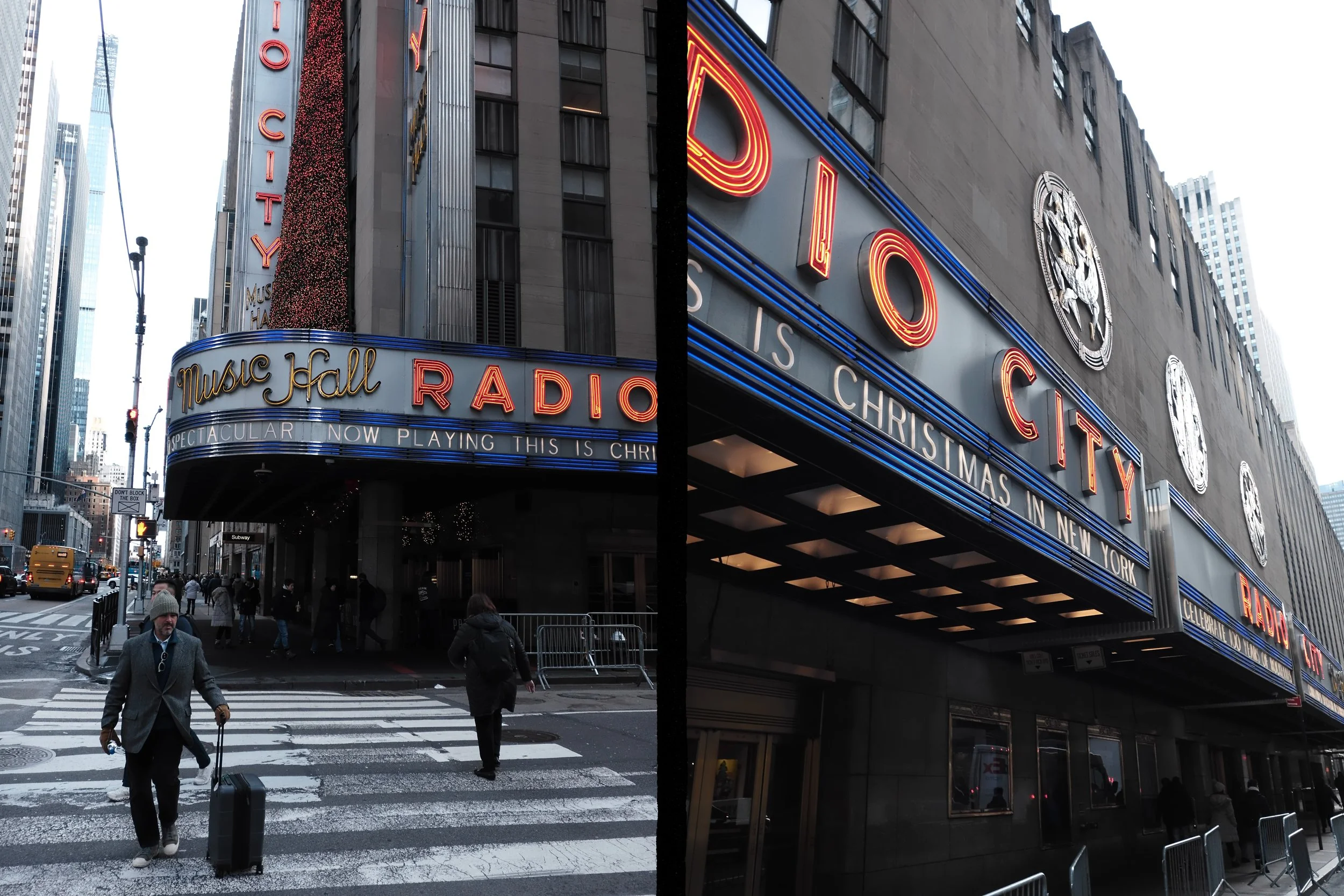
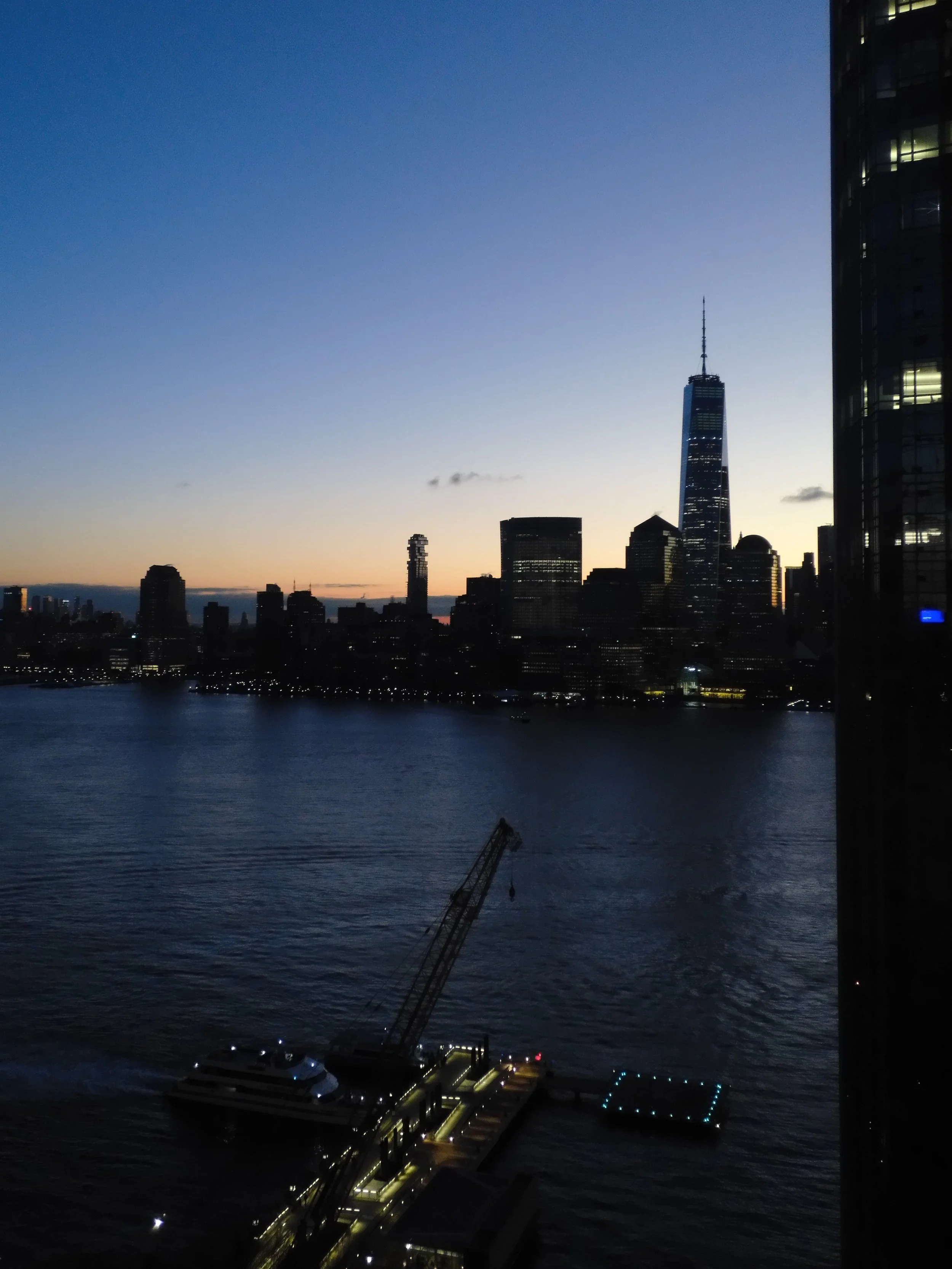
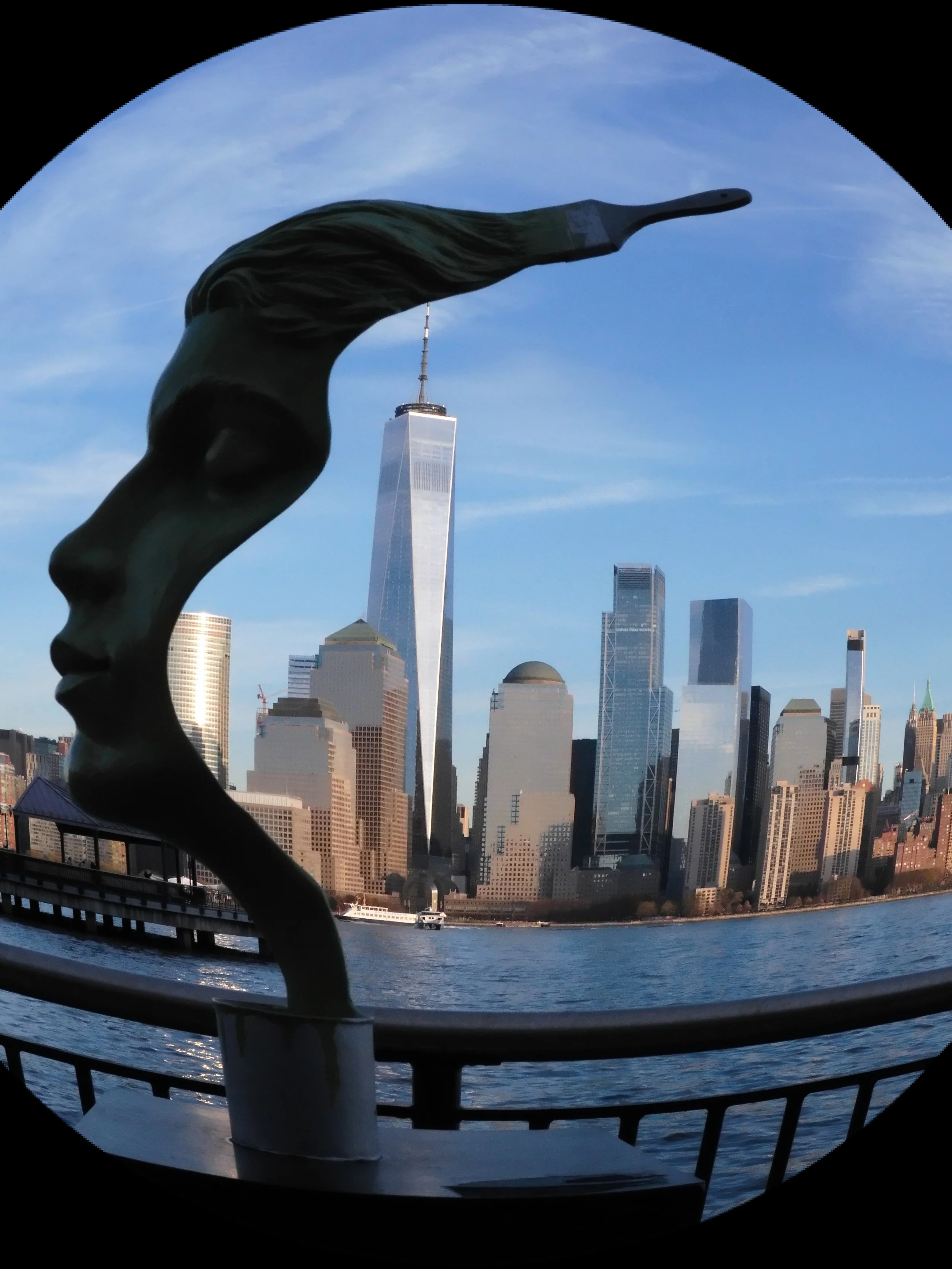
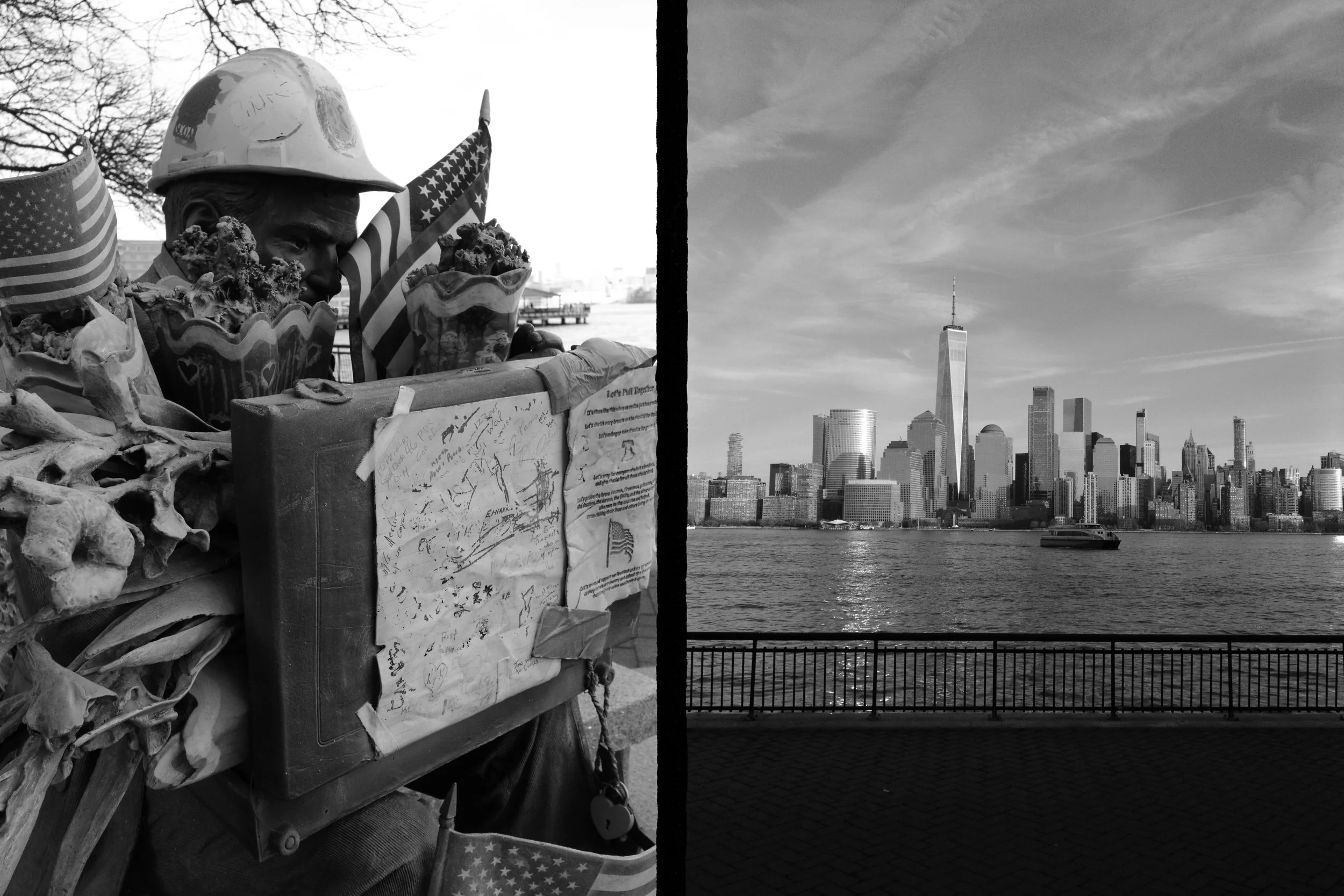
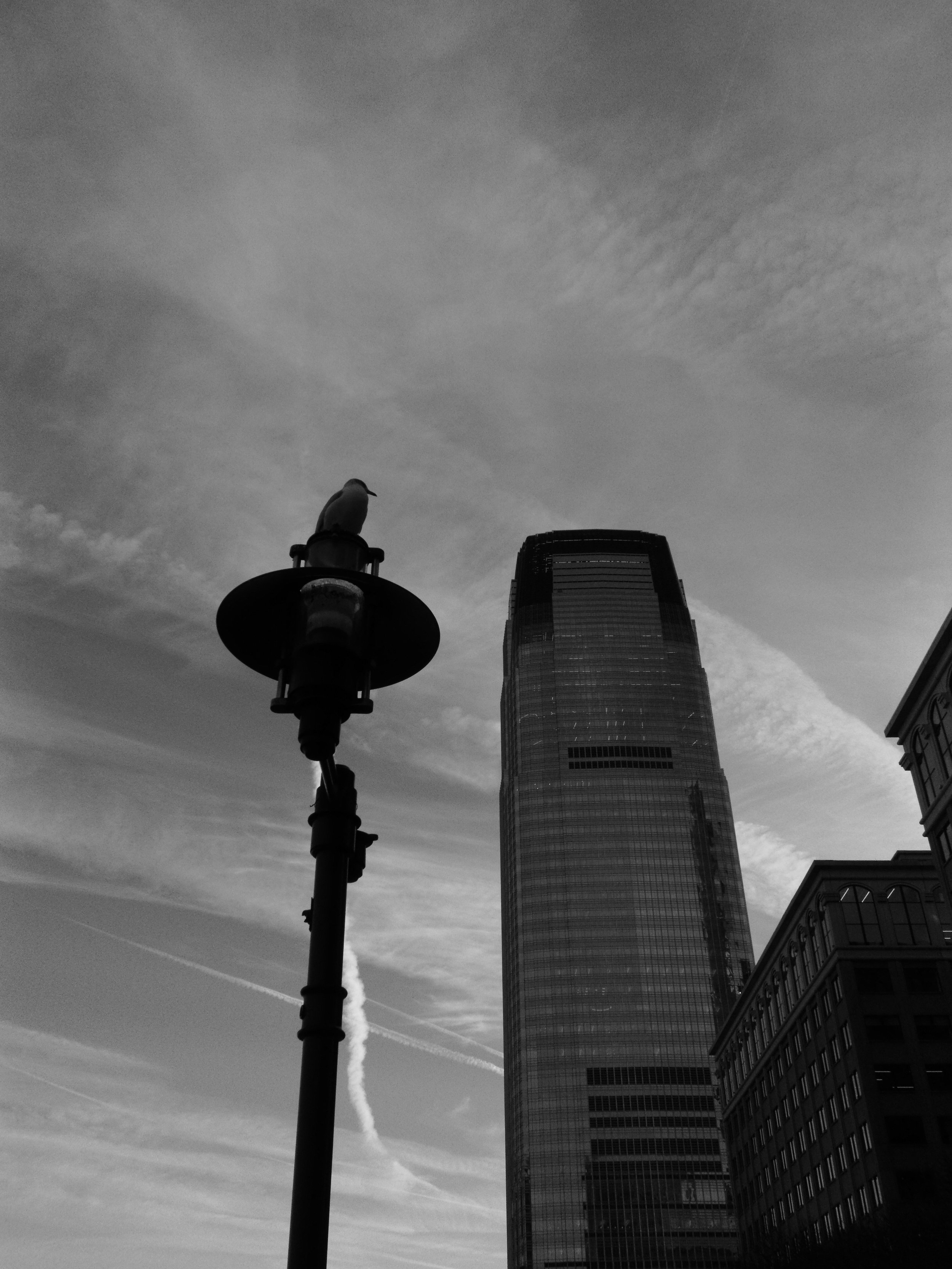
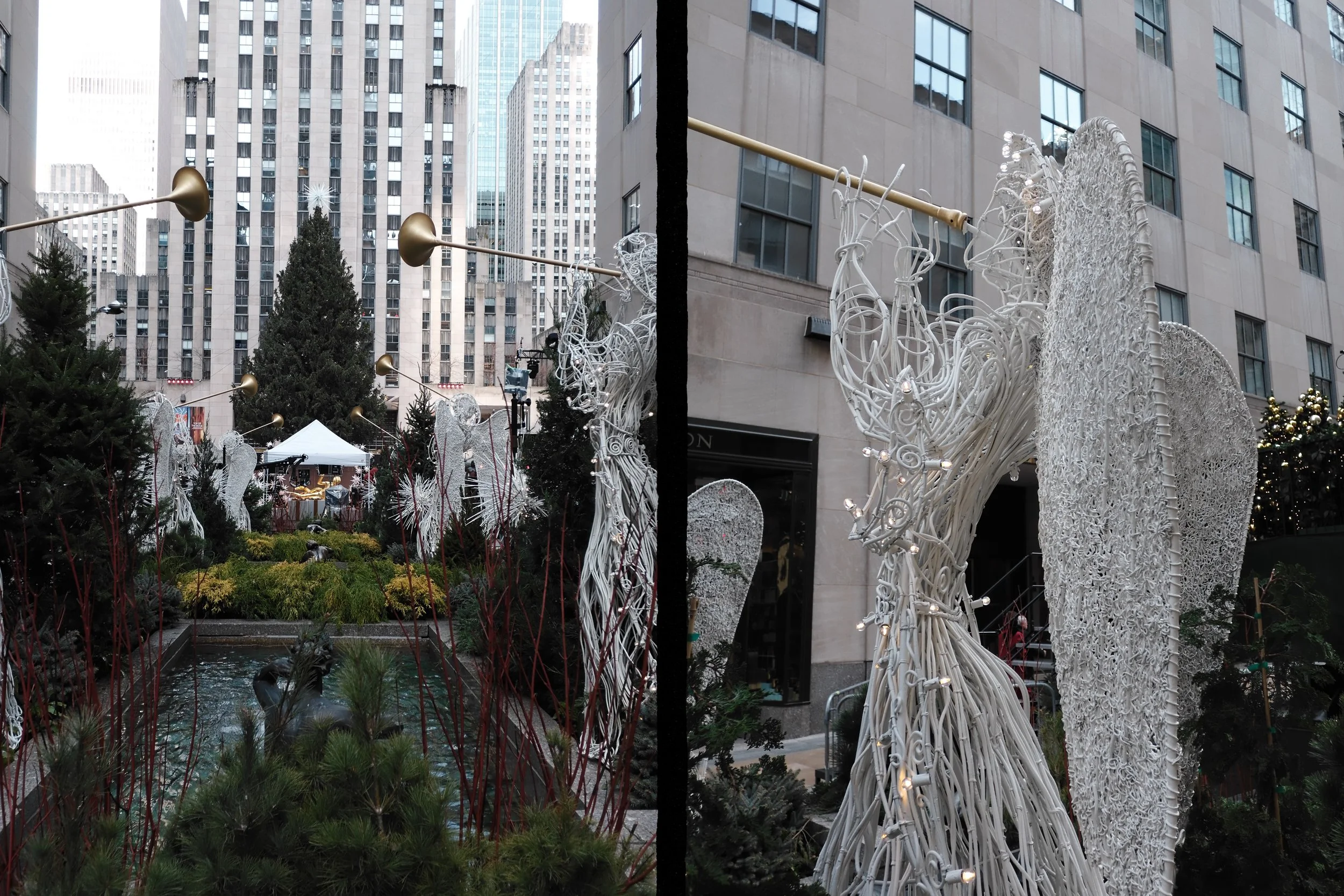
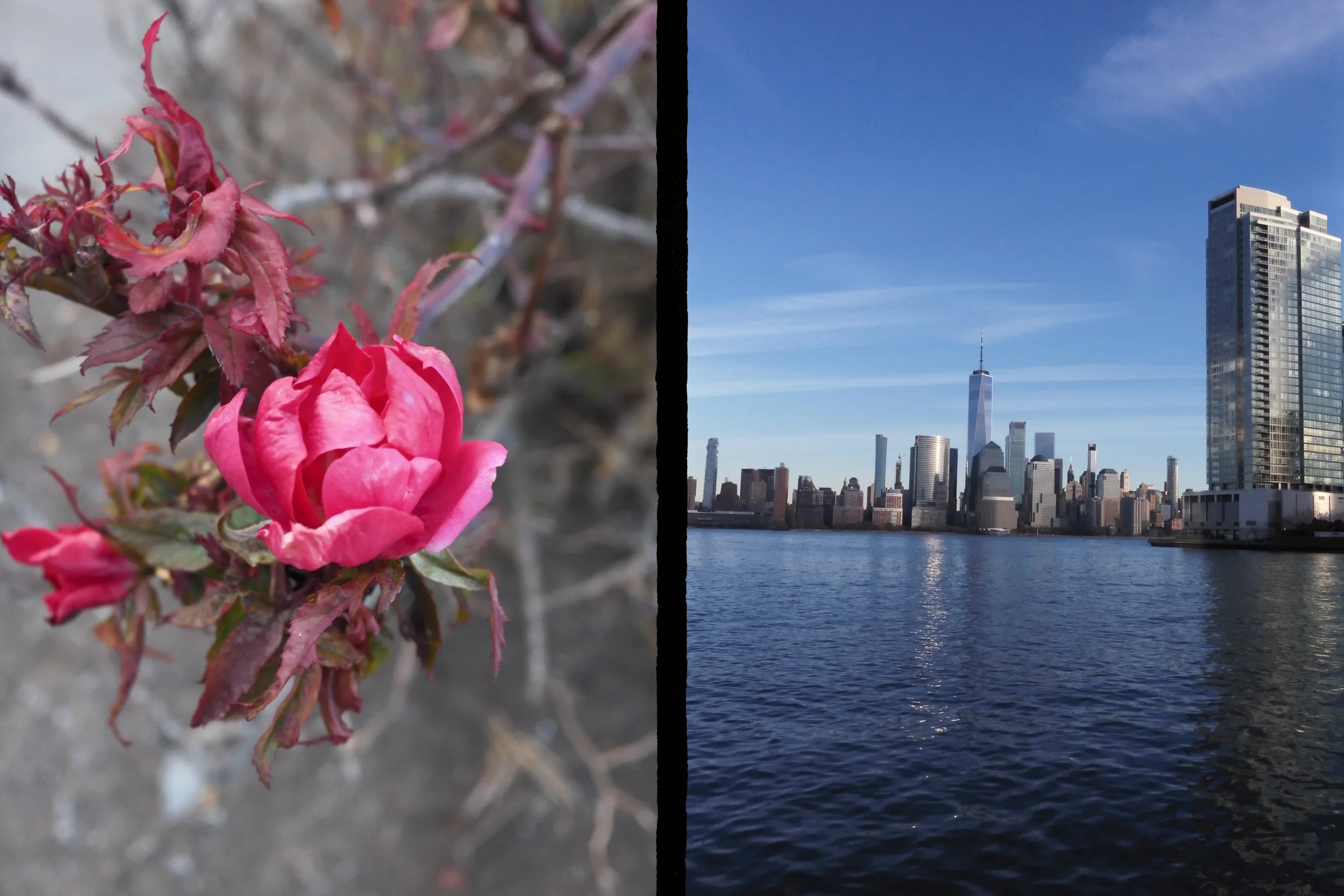
The X-Half is a camera that lives or dies by the way its JPEGs look, so the best way to understand it is simply to see the results. I shot with the X-Half across a variety of lighting conditions: bright midday sun, cloudy afternoons, subway interiors under harsh fluorescents, mixed indoor light, and a few early-morning and blue-hour scenes.
I’ve captioned each image with the recipe I used.
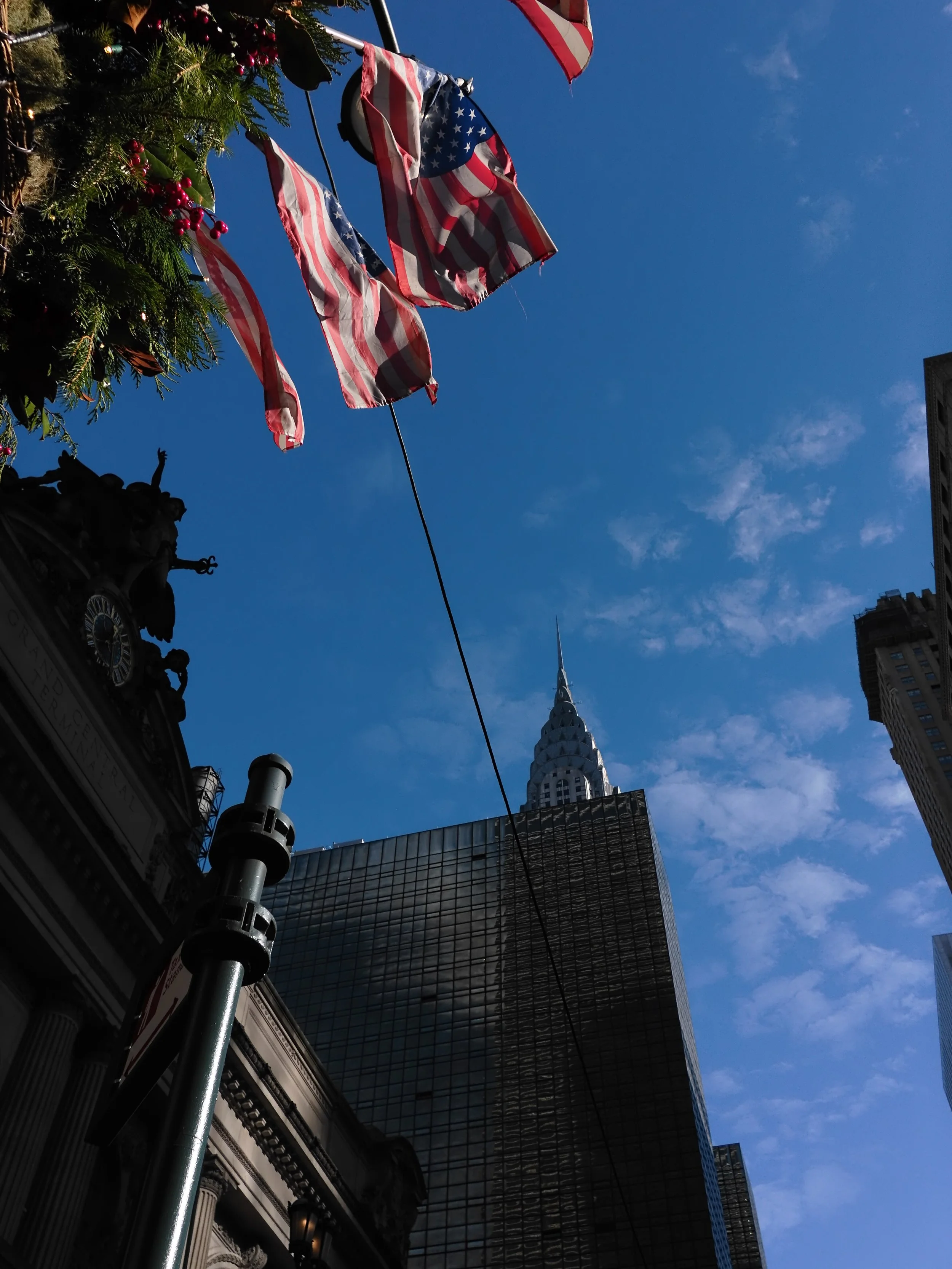
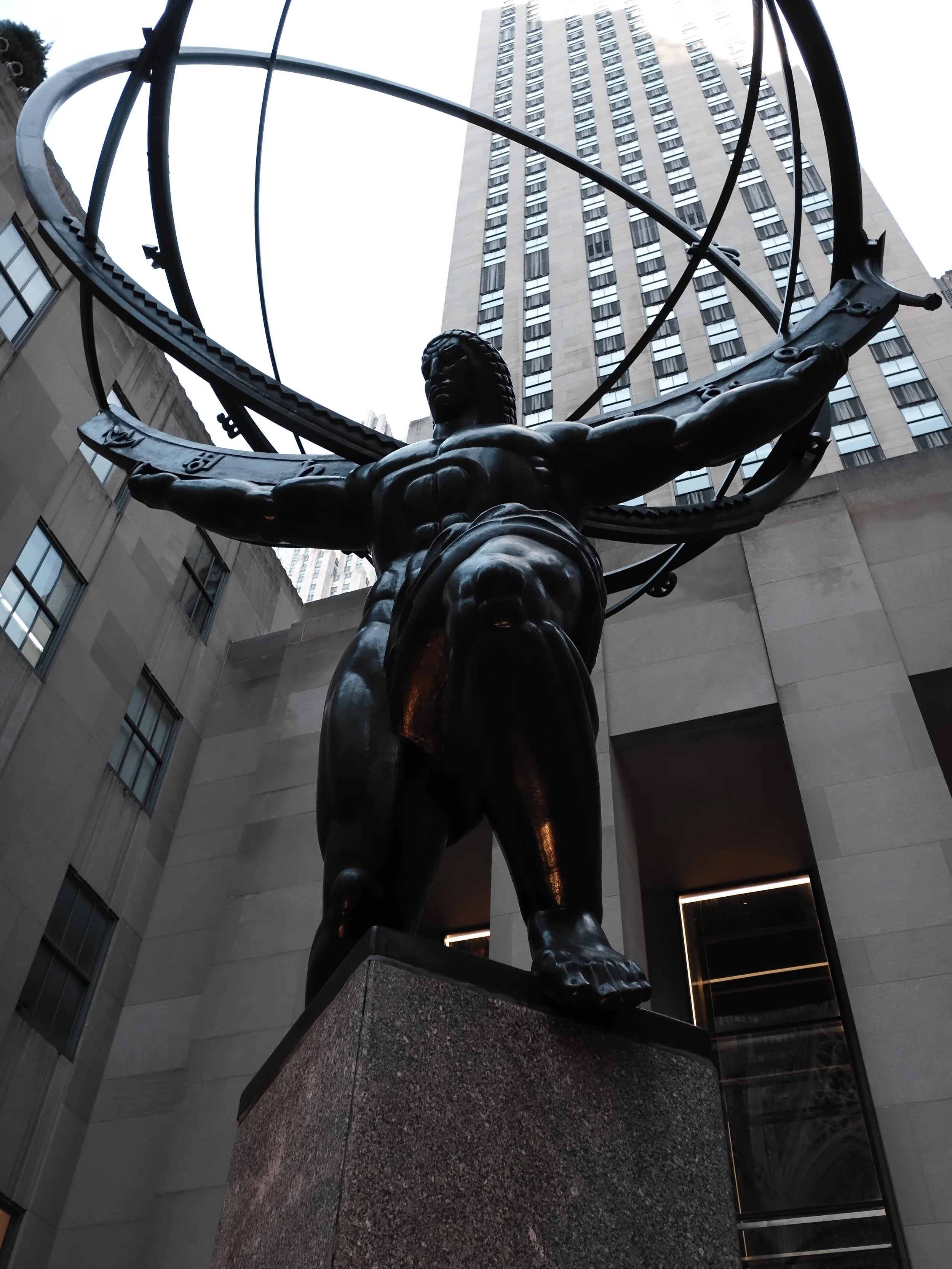
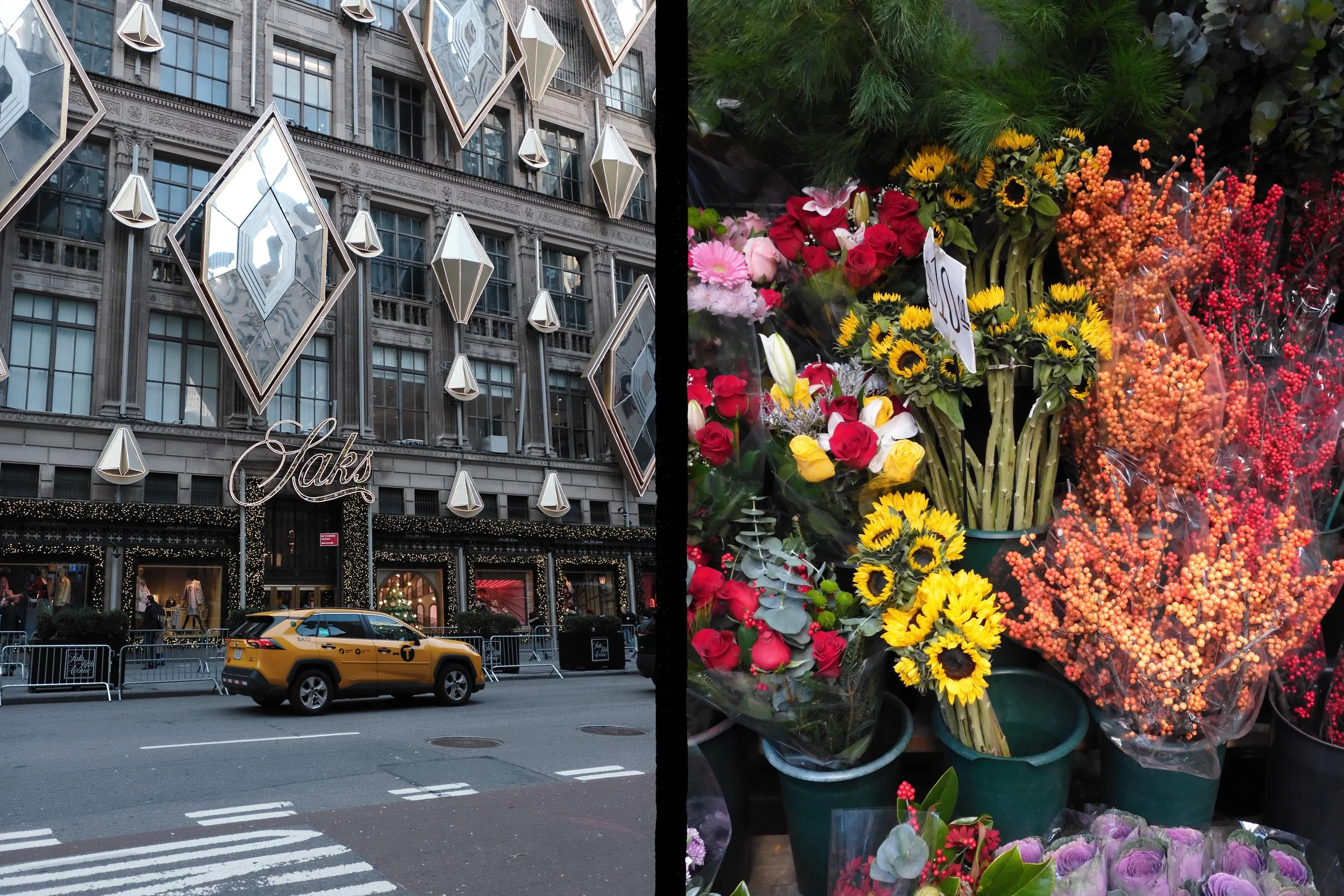
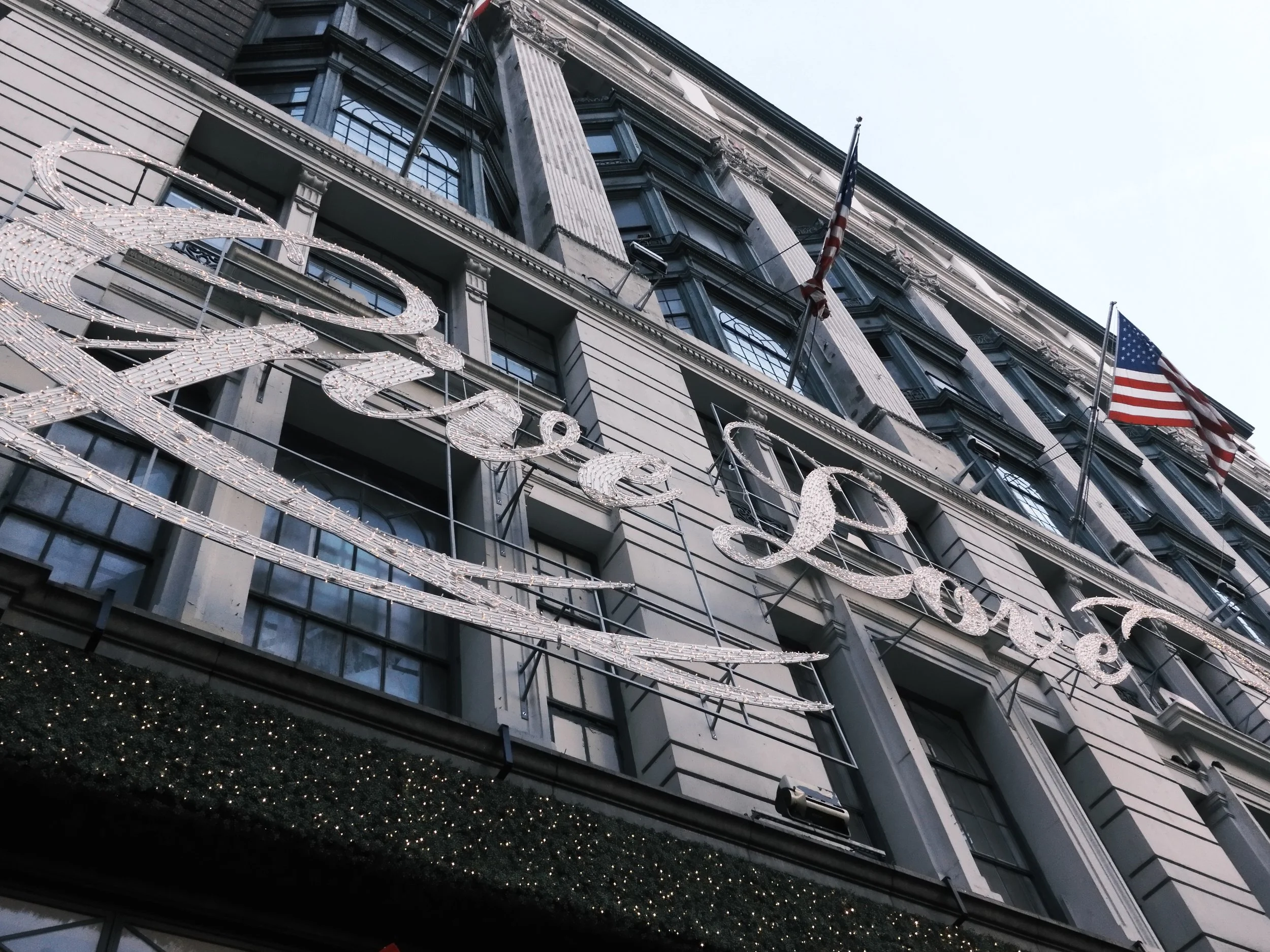

Shooting Video With the Fujifilm X-Half
Video on the X-Half is very much a secondary feature, and it feels that way when you shoot with it. The camera records 1440 × 1080 video at 24 frames per second, with no stabilization, no advanced controls, and relatively limited dynamic range. This is not a hybrid camera and was never intended to be. It does remind me of when digital point-and-shoot cameras first got video.
The color science from the JPEG profiles carries over to video, which means you can create filmic-looking clips without any post-production. It’s not “cinematic” in the modern sense; it’s cinematic in the way old home movies or vintage camcorder footage can feel cinematic.
I wouldn’t use the X-Half to film anything important, or even to document a trip in a way that I’d want to revisit professionally. But I did find capture a few clips here and there to pair with my photos. You can check that out below.
Why didn’t Fujifilm just enable a half-frame diptych mode in their other X-series cameras?
I keep coming back to this idea. It would’ve been simple. The technical barriers are minimal; just crop two portrait shots side by side. Any X-series body should be able to do that today.
But none of that gives Fujifilm a new product category. And in some ways, it sure feels like Fujifilm did a bunch of market research and gave us the exact product we actually deserve, but not the one we wants. How many of us have been guilty of taking a random photo, fiddling with some of the settings in Lightroom in what is akin to slapping a filter on it, and posting that thing on social media? In theory, this is the perfect camera for most of us.
But we don’t want the camera that does what we need it to do. We want the camera that does what we want it to do; what we aspire to do. To be better photographers than we actually are. Let’s face it, most of us are hobbyists and amateurs. All we want is to take a photo that makes us and others feel something. Maybe recipes on an 18 megapixel jpeg are the answer?
Fujifilm X-Half Price: Why Is It So High?
The Fujifilm X-Half has a price that’s eyebrow raising: an MSRP of $849. I agree with others online that was instantly the most polarizing part of the camera for me. How could a camera with these specs cost this much in 2025? I have a few theories.
First, this camera is niche and Fujifilm knows it will sell in small numbers. The low-volume production increases per-unit cost, probably. Then there’s the economic and geopolitical environment of 2025; where the industry is operating on tighter margins, supply chain costs become erratic and invariably increase, and tariffs (whether looming or realized) push prices higher. Maybe there’s even a foreign exchange issue at play. The camera costs $849 in the US, and isn’t much cheaper worldwide. For all we know, this might be the canary in the camera coal mine.
Around the holidays, Amazon and other sellers dropped the price to $649, which is much more reasonable.
So, Is the Fujifilm X-Half for You?
The X-Half is a joyful, restrictive, oddly charming camera that exists in a category of one. Whether it’s right for you depends entirely on what you want from photography.
The X-Half is for you if…
you want a digital camera that feels like film
you find creative energy in constraints
you care about Fuji’s film simulations more than resolution charts
you want a visual diary camera with character
you enjoy diptychs, half-frame storytelling, and unconventional composition
you want photography to feel fun again
The X-Half is not for you if…
you’re looking for a main camera
you need versatility or professional reliability
you value technical performance over experience
you shoot fast action or low light frequently
you want the best image quality for the price
you prefer RAW files and deep post-processing workflows
The Fujifilm X-Half is an indulgence, a nostalgic little shooter, and a creative tool that lives in its own world. That world isn’t for everybody, but for those of us drawn to it, it’s a wonderful place to visit. So, in a time when photography can often feel like a spec sheet arms race, Fujifilm’s X-Half reminds us why we fell in love with taking pictures: for the fun and the feeling.
But the price though…

Over five years after its 2018 launch, a successor of the Fujifilm X70, the XF10 is already known for its sleek design and the classic Fujifilm aesthetic body. In my point of view, it falls short of expectations, leading to a modest 3-star rating.